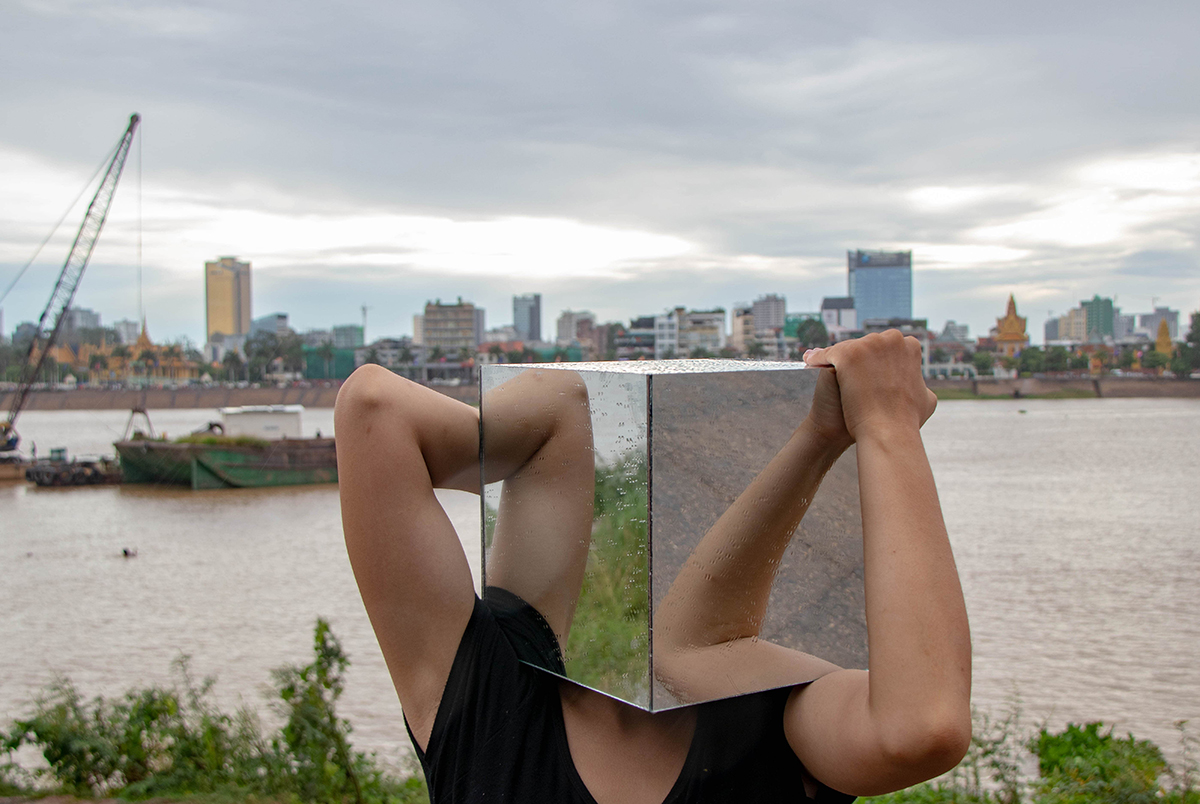
In January 2026, as the northern Cambodia dry season was peaking in Siem Reap, contemporary artists Svay Sareth and Yim Maline regaled a group of visiting Australian art enthusiasts with their positive vision for how Cambodia’s vibrant contemporary arts ecosystem can thrive with integrity. The SM Art Center, located inside their purpose-built family home compound, defines a progressive counterpoint to the darker struggles which enmesh Cambodia’s modern history. As Svay emphatically states, what he wants from international arts engagement is collaboration rather than any need for charity.
It remains true, however, that late twentieth century shadows from the Khmer Rouge genocide (1975–1979), protracted civil war, and mass refugee exodus still haunt the identity of modern Cambodia. Circa 2026, the country has felt the impact of armed border disputes with neighbouring Thailand combined with revelations of vast organised cybercrime operations inside Cambodian territory. Such traumatic reference points are neither ignored nor trivialised by artists who are often at the forefront of a resilient citizenry determined to survive in the face of ongoing constraints.
In a compressed political landscape, media outlets have become increasingly restricted and public discourse overall has shrunk markedly over the decades since post-war Cambodian democracy began, so full of promise, in 1993. Bearing documentary witness to significant events is often a critical contribution made by visual artists in the battle against forgetting. Injustice often walks hand-in-hand with rapid change: buildings torn down, lakes filled in, watercourses diverted, land reallocated – and as with so much of human history, the powerful few control the destiny of millions. Often the artistic response to such asymmetries of power lend additional context and impact, including in the subtlety of presentation, whether installation, performance, or discreetly curated selections of paintings or photography.
Curator and arts manager Chum Chanveasna, who works with a range of Cambodian artists, venues, and partners from her base in Phnom Penh, notes the importance of indirect approaches. The use of metaphor, symbolism, mythology, and historical allusions avoids didactic confrontations to create more open-ended conversations. By not reducing the artwork to direct political commentary, Chum says, Cambodian artists can bridge local narratives with global contemporary artistic practices.
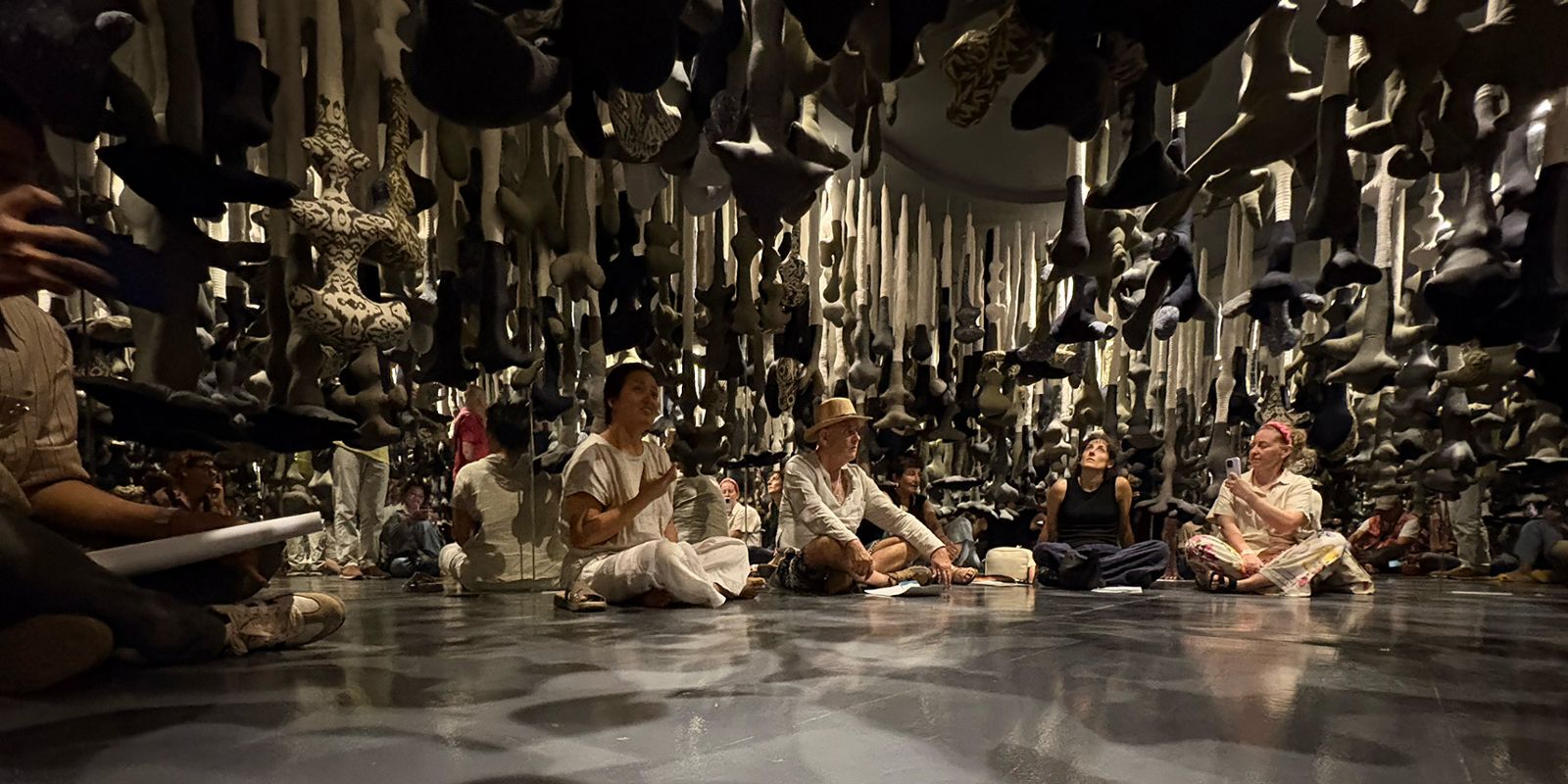
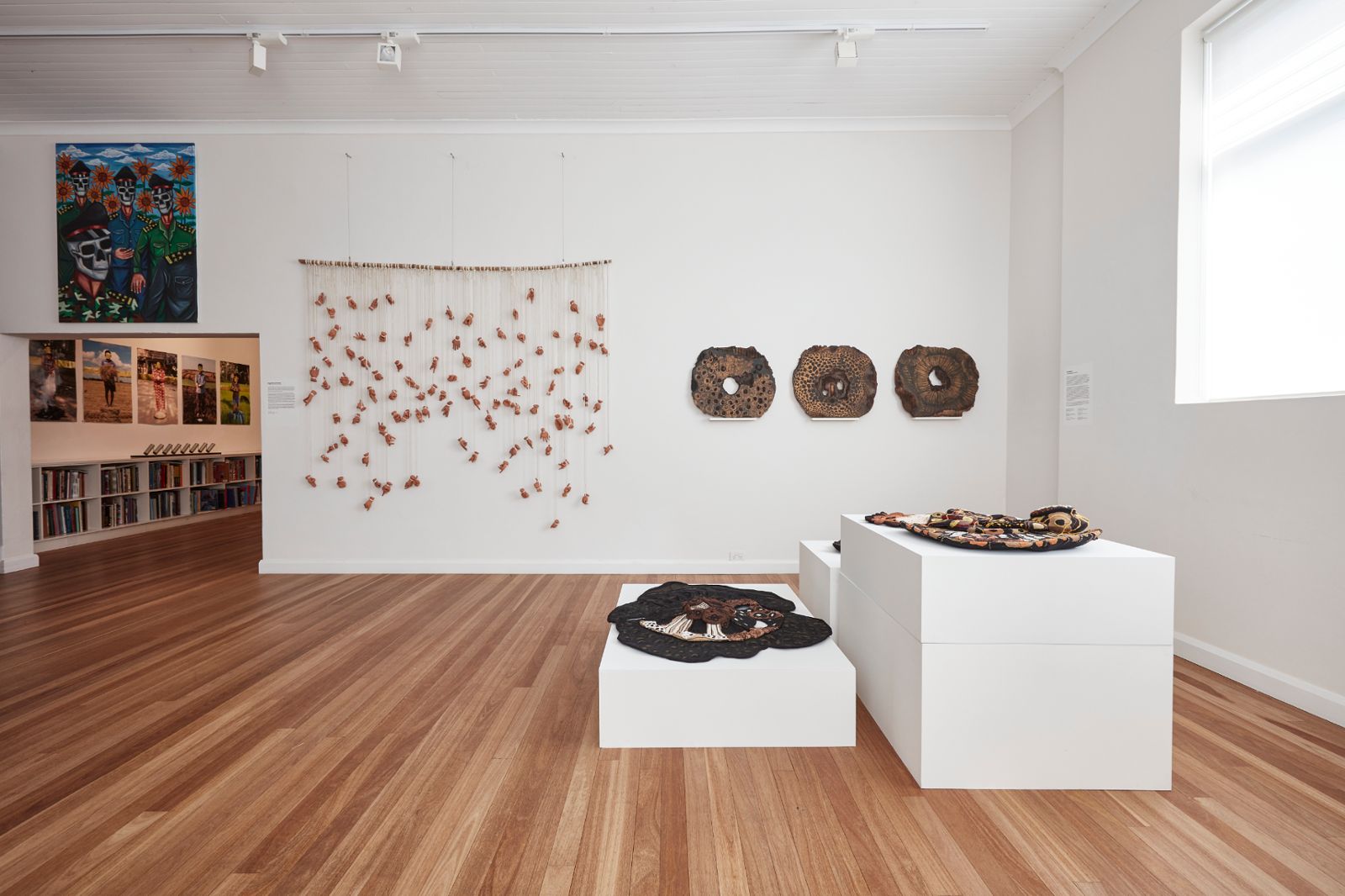
Contextualising essential historical and cultural reference points has been a hallmark of several country-focused art expeditions brought together by the enthusiasm of Sydney gallerist and champion of Southeast Asian art, John Cruthers. Modelled on his previous group ventures in Indonesia and Thailand, the 2026 Cambodia Art Study Tour (CAST) reflected many connections made with the 2023 exhibition All That Surrounds Us, when new art from Cambodia was presented at Cruthers’ 16albemarle Project Space in Sydney. Chum Chanveasna, together with her All That Surrounds Us co-curators Moeng Meta and Lauren Elise Barlow, were on the ground to guide the 2026 CAST cohort along a rich and varied seam of studio visits, galleries, collectives and exhibitions in Phnom Penh, Battambang and Siem Reap.
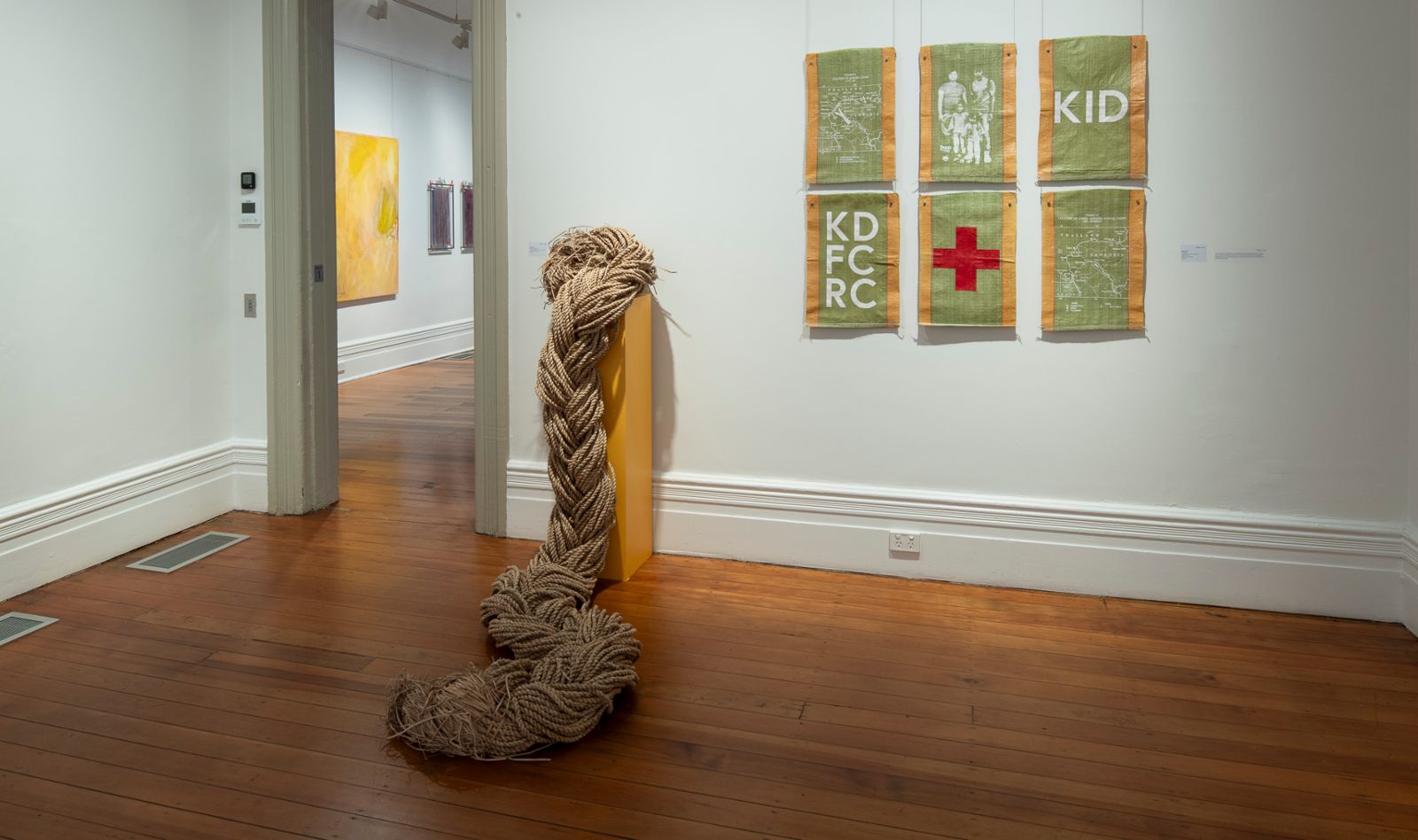
Even this brief in-country sojourn gave us outsiders an appreciation of a plurality of national, local, and personal viewpoints. From their homes and neighbourhoods, artists reflect challenges faced by many Cambodians — including how livelihoods and security are threatened because of tensions between land title, tenure, and the pressure of development interests. Safety in numbers is a prominent strategy, either through collectives like TiSamjort which hosts provincial-based artists to work in Phnom Penh, or the nurturing role played by the Phare Ponleu Selpak art and circus school in Battambang which has given opportunities to numerous individuals across the wider arts community.
Cambodians returning from time spent outside the country have brought new ideas and experiences to the art world, connecting with the wider Asia-Pacific region as well as Europe and North America. Cultural dislocation experienced by diaspora communities can bring frictions between tradition and emerging new identities. Yet this liminal space can provide a fertile testing ground for some artists to move in a more inclusive continuum embracing past, present ,and future, forging new creative lineages and helping elaborate often complex historiographies.
In early 2026, we met Nataly Lee in a Siem Reap hotel’s shaded tropical garden surrounded by four walls of her abstract landscapes. Informed by her movements between Australia and Cambodia, her painted works radiate colours and ascribe forms that cross-reference seasons, light, and reference points from these two countries Lee has called home. Like many diasporic artists, she is slowly exploring a very personal hybrid territory between cultures.
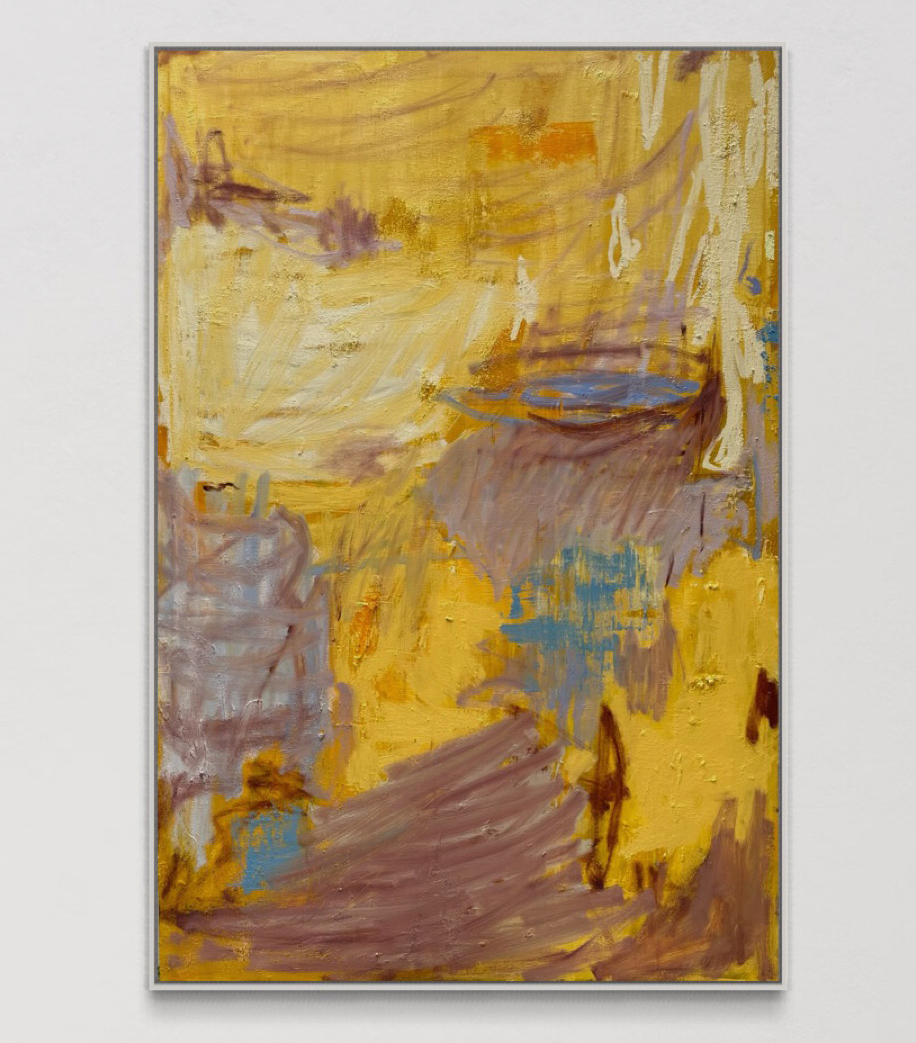
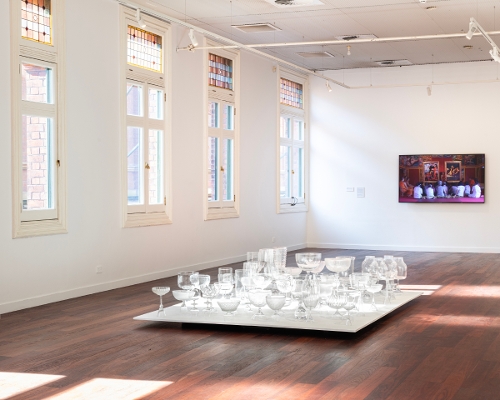
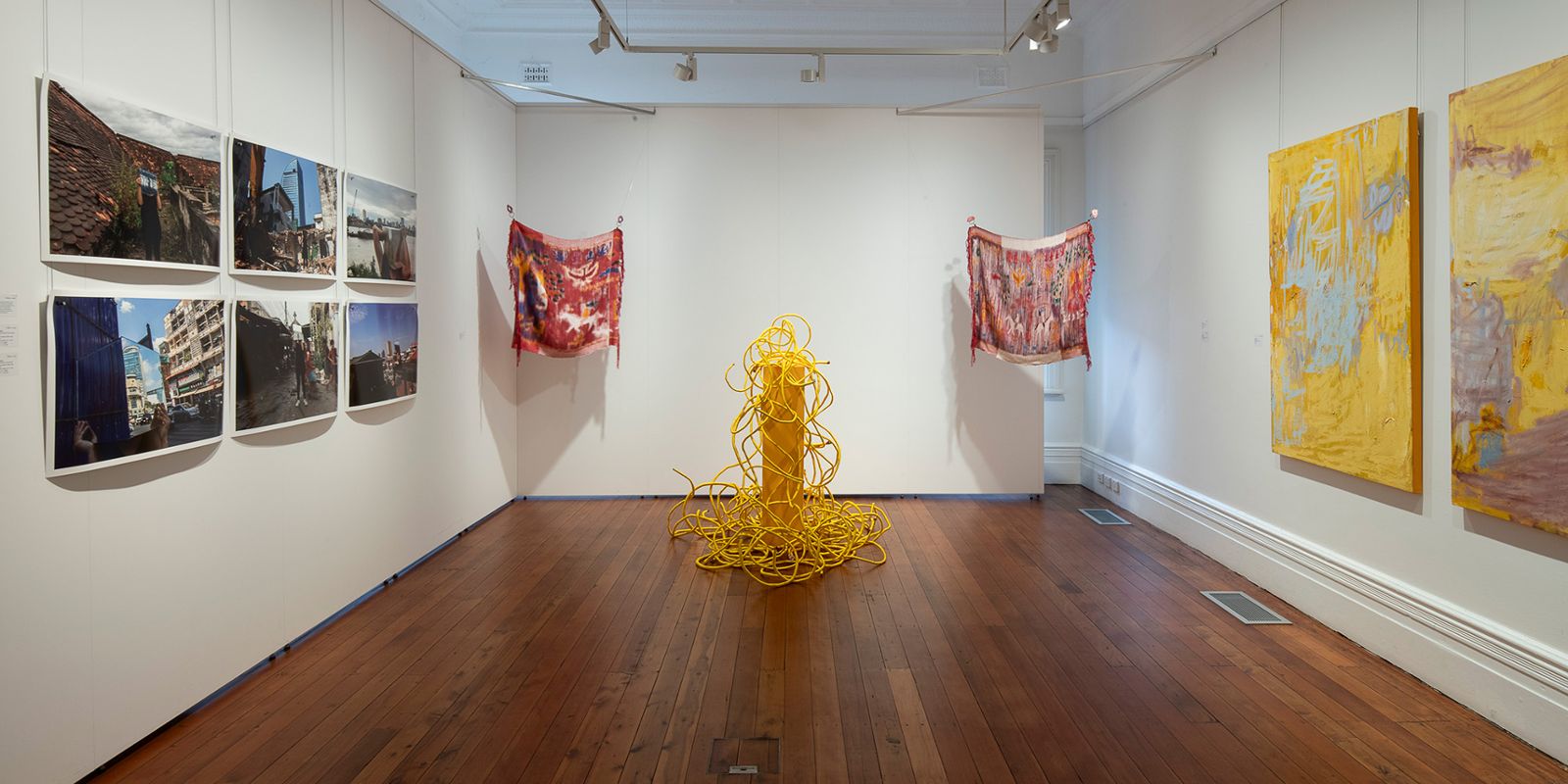
This September Lee contributes a selection of her painted works together with installations into a wider context as one of four artists in Follow You Home: Women Artists from Cambodia and Cambodian-Australian Diaspora. Curated by Lauren Elise Barlow at the Grace Cossington-Smith Gallery in Sydney, this assembly builds on Barlow’s previous efforts with All That Surrounds Us (2023) and Teyyatean: Than Sok Giving Alms (2024), and comes informed by her own return to Cambodia earlier in 2026. Together with Lee, Follow You Home features Phnom Penh-based Mao Sovanchandy, who uses her architectural background to inform an artistic critique of urbanisation and its effect on Cambodian society. In Mao’s case, her photographs depict a very personal sense of loss, positioning herself as witness to the dismantling and destruction of her own sense of place amid the history, community, and architecture of Phnom Penh. She is also conscious of how these changes affect wider environmental and ecological processes. Through various art residencies in Asia, Mao has also explored the region’s cultural and spiritual connection to water, with her installation and video works prompting further reflection on her sense of belonging while travelling to foreign lands.
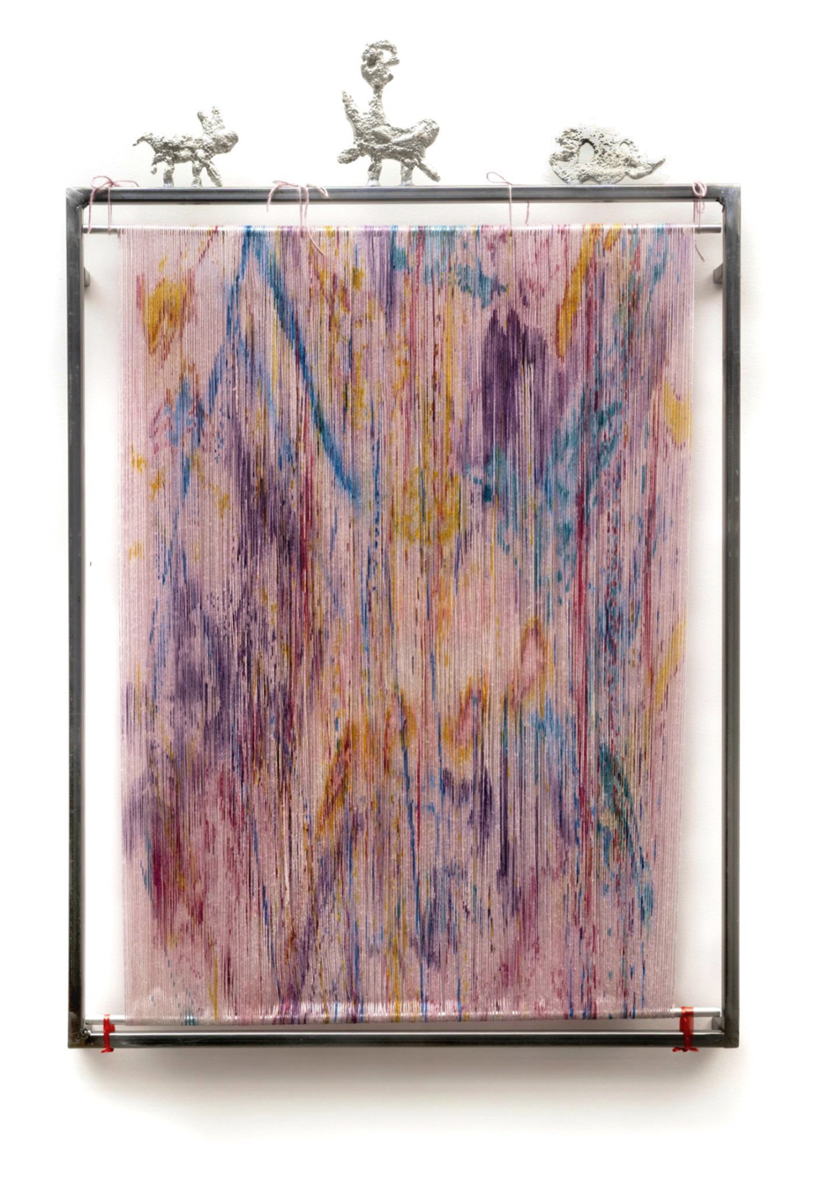
Follow You Home extends its ambit with two prominent Cambodian-Australian visionaries, Linda Sok and Allison Chhorn, both known for pushing material boundaries to rework fragments of connective memory across personal and family stories.
Sok expresses her quest predominantly through fibre-based practice to explore the tensions within her own narrative, in what she describes as ‘grasping at smoke’ in a continuous journey towards something more tangible. Several pieces in the exhibition are steel-framed vertical strands of pre-dyed silk threads, a warp without weft which creates a veil of colour and line that is physically suggestive of uncertainties yet to be resolved. Juxtaposing Sok’s textiles with her fellow artists’ paintings, photographs, and sculpture further explores the thematic conversation.
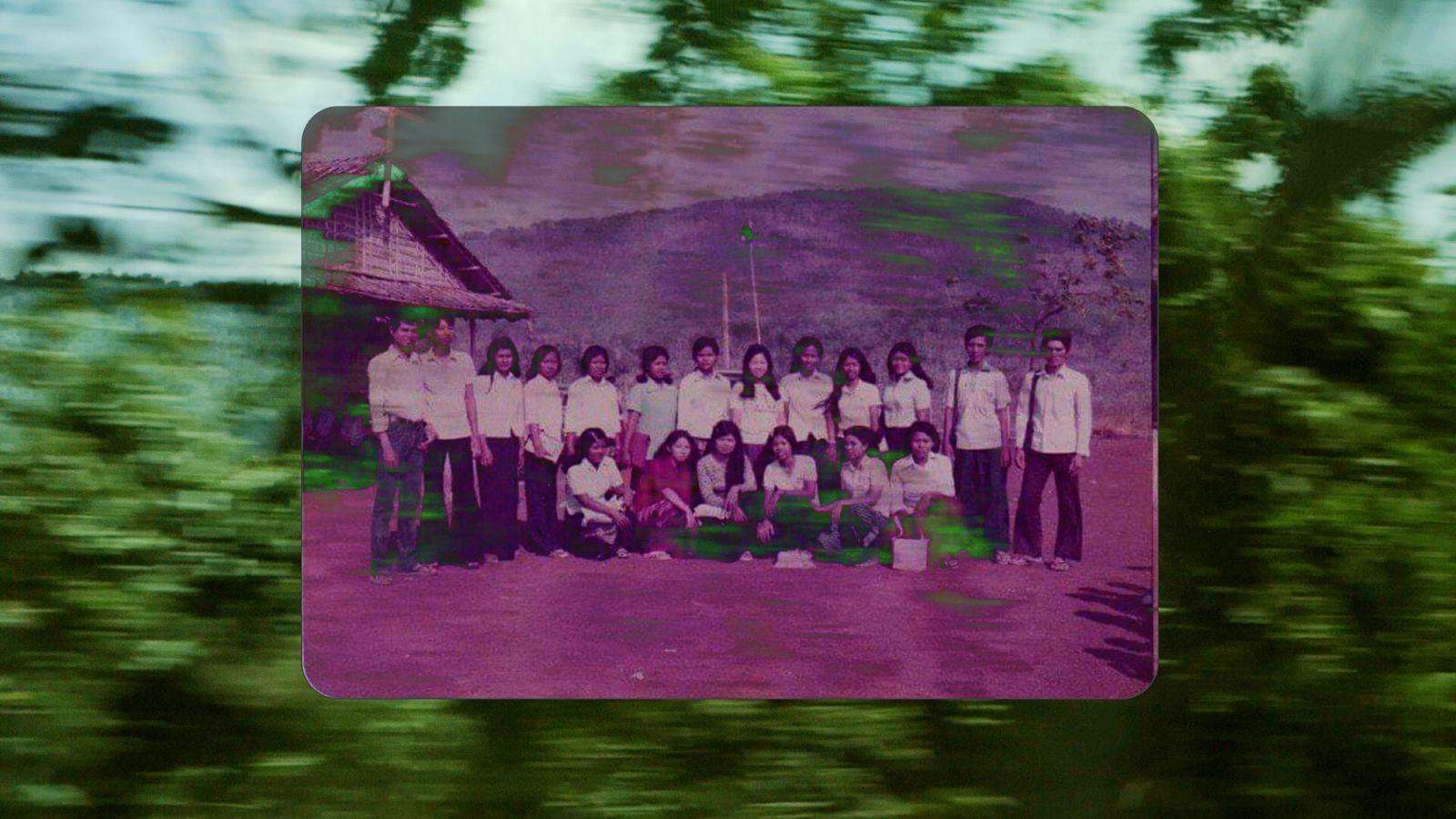
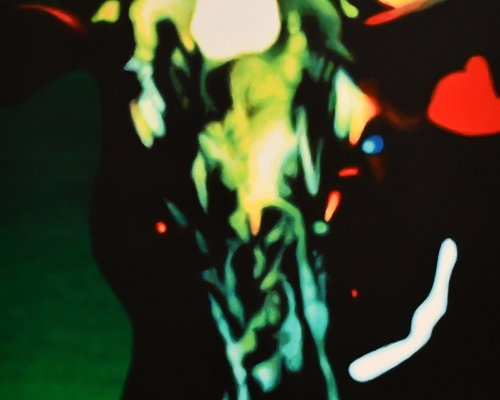
Occluded slices of memory and experience are visual tools in Allison Chhorn’s fusion of cinematic technique and installation. Her dreamlike videos communicate her place in the larger Cambodian-Australian diaspora, echoes which she documents and reimagines from her own encounters with individuals – including family members – and their stories. In the accompanying catalogue, Chhorn calls out what she sees as a shared historical context with her fellow artists, in which ‘home is the work within this exhibition’.
Follow You Home holds together as an assembly of concerns searching for place, inclusion, and lived experience to create fresh narratives. Across four rooms in Sydney, it bridges vast intercultural distances and illuminates the value of collaborations, which help to place Cambodian visual arts perspectives into current global conversations.