Vale Vivienne Binns, a unique figure in the history of Australian contemporary art, whose innovations spanned generations, from Pop to abstraction, from social practice to textiles, all grounded in relentless experimentation and feminist commitment.
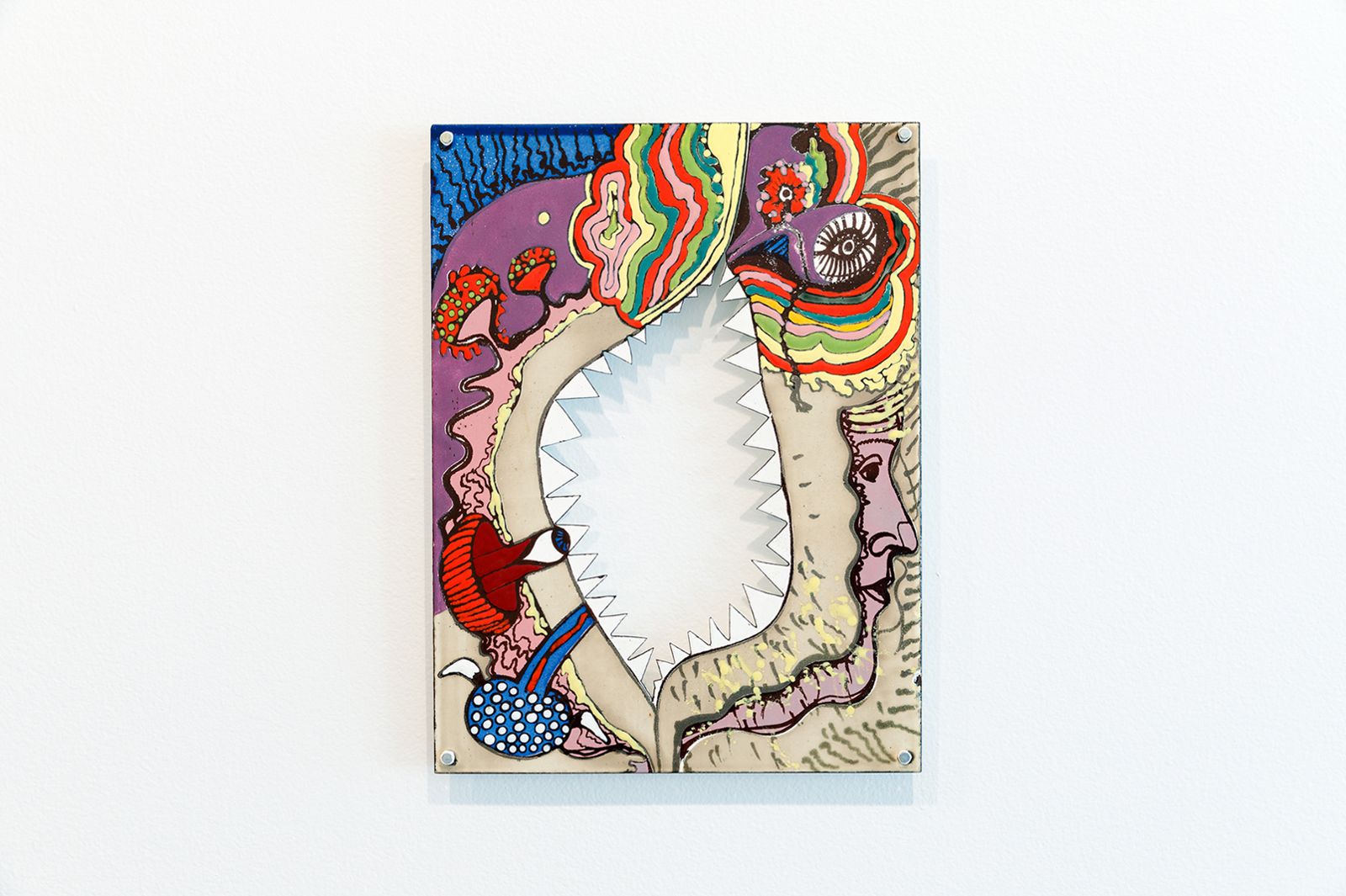
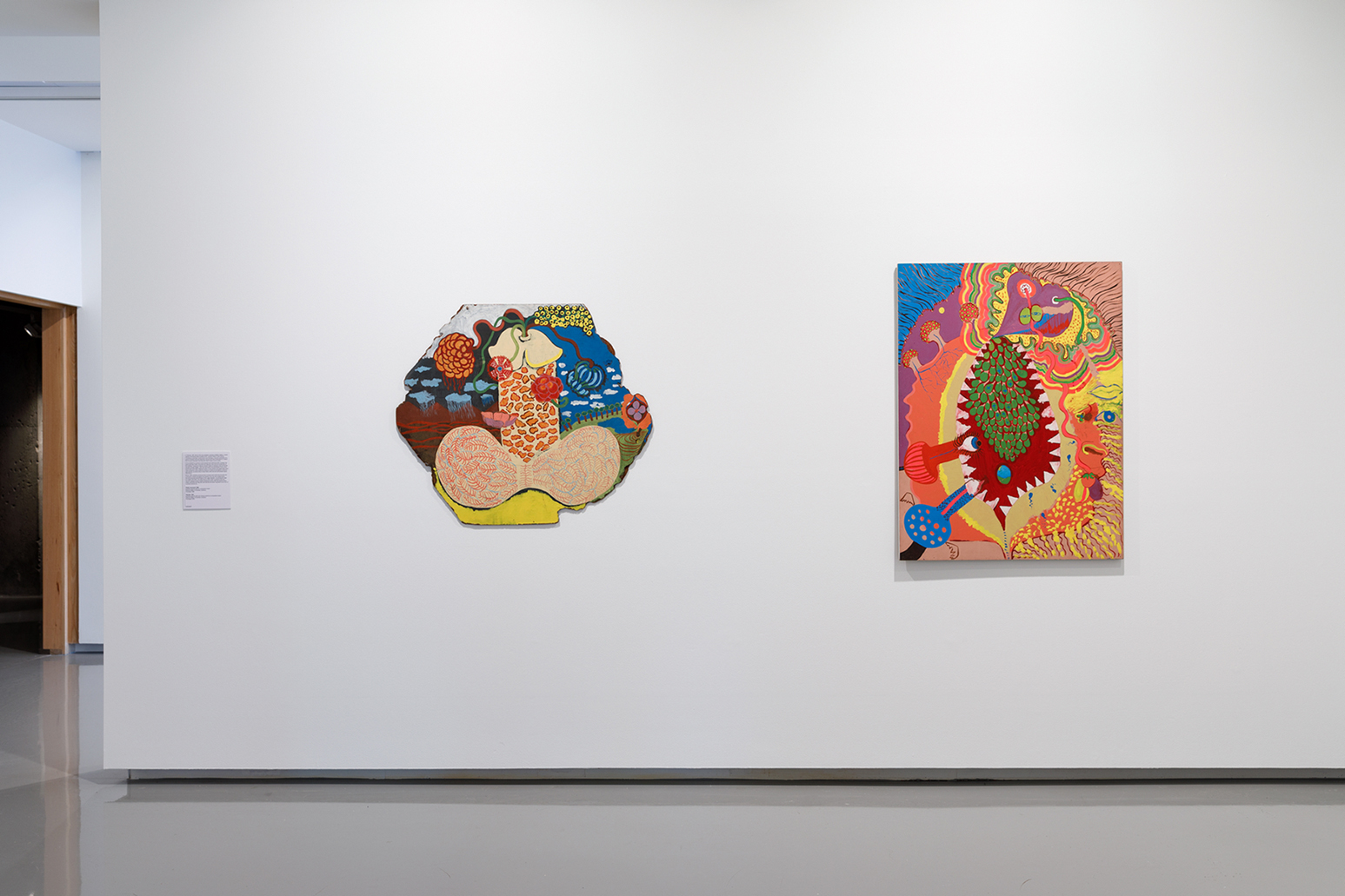
Binns’ earliest major contribution to Australian art and art history came by way of her renowned solo debut at Watters Gallery in 1967. She presented now legendary work, including Vag Dens and other pop naif paintings on shaped composition board, and the motorised mixed media Suggon, whose vanishing point was a mesh bag pulsating lazily in the middle of a high-gloss geometric colour field. At the time Binns was not consciously laying down a feminist gauntlet, as her work emerged more from the anarchic and anti-identitarian sexual liberation counterculture of the 1960s. But, she embraced art as a physical practice of active agency, wrangling the resistance of materials and the unforeseen happenings of experimental processes with a feminist sensibility attending to the enfleshed, sexed body as it exceeds the ideological work of feminine subjectification. Rather than promoting a more programmatic idea, Vag Dens portrays a blissful exchange of energy that connects the sexual self with the world in a very personal assertion of vulval power: one motif blending into another (eye—teeth, cunt—face, hair—brain). Almost sixty years later, the work still intrigues in a carnivalesque enjoyment of materiality and form.
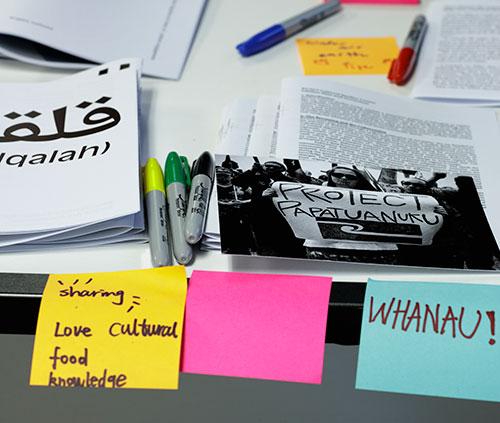
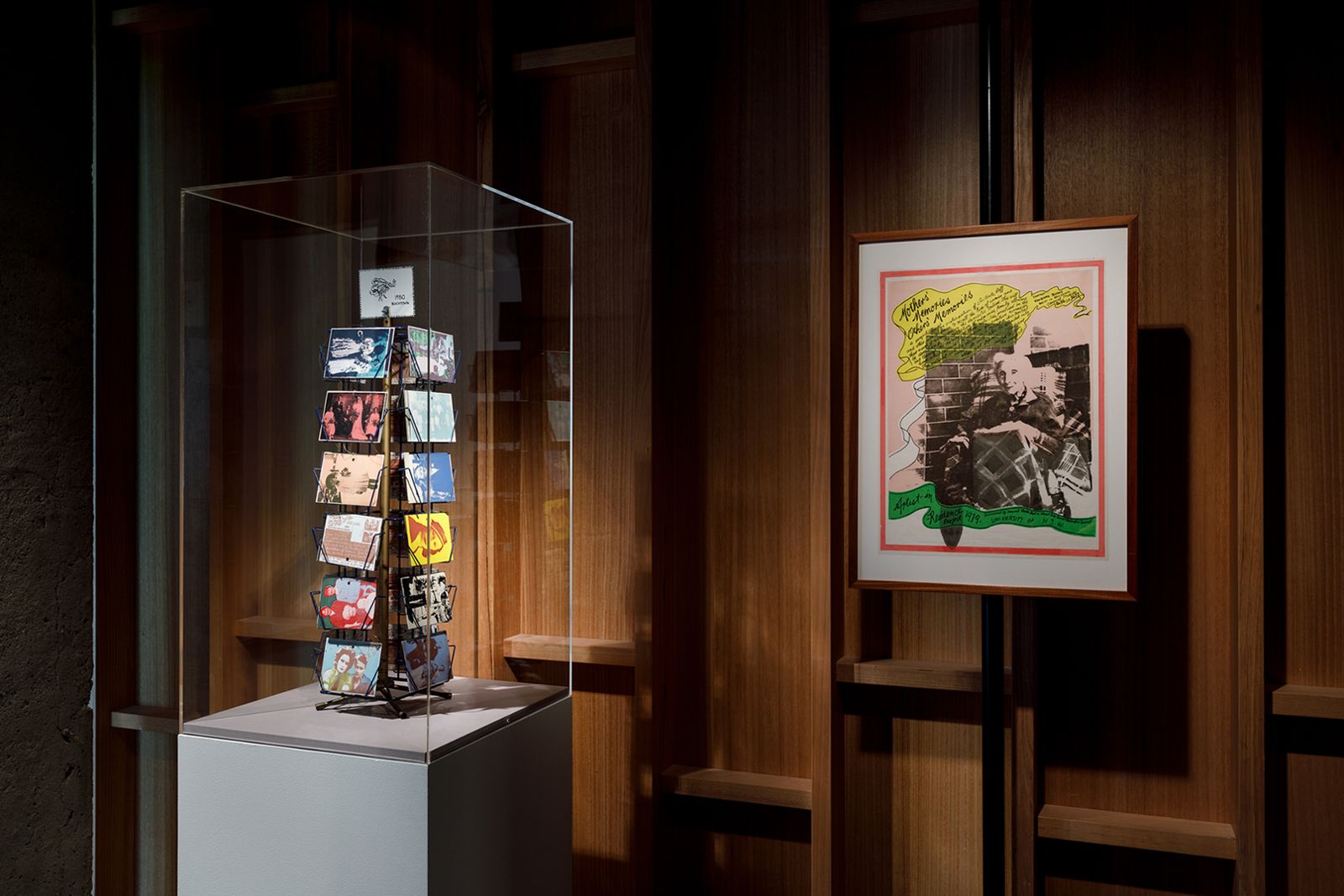
That pleasure in the possibilities — aesthetic, social, personal and political — of material interactions remained a constant in Binns’ work. From the early 70s to early 80s, Binns’ creative arena was primarily a social and community setting. She created new forms of participatory practice while also agitating for change as a founding member of Sydney’s Women’s Art Movement (WAM). WAM’s activism included setting up the Women’s Art Register, campaigning to increase the representation of women in major exhibitions, running workshops and consciousness-raising (CR) groups, and diffusing data on women’s experience of the art world through pedagogy and public appearances. According to Binns, WAM prioritised ‘encouraging the activities of all women’ and ‘exploring alternatives to the male culture around us’. These objectives were met in innovative ways by the community project she coordinated, Mothers’ memories, others’ memories (MMOM,1979-81). Everything in MMOM, Binns said, ‘has been hidden or undervalued in some way’: domestic needlework, crochet, knitting, pottery, home decoration, diaries, albums and letters, namely, the repository of family histories and the material traces of intimate relationships. The project served not only to build solidarity and offer a platform for overlooked gendered social histories. It also modelled an aesthetics of listening, a critical forerunner to what we now understand as the Post Documenta 11 curatorial platform, with its preference for non-traditional media, the unplumbed energy of the regional, domestic and DIY, tacit knowledge, and skill sharing. In this period of community practice, Binns’ curiosity and experimental take on everything from materials to social and artistic hierarchies combined to create a legacy of alternatives to received ideas of art’s proper subject matter, processes and materials.
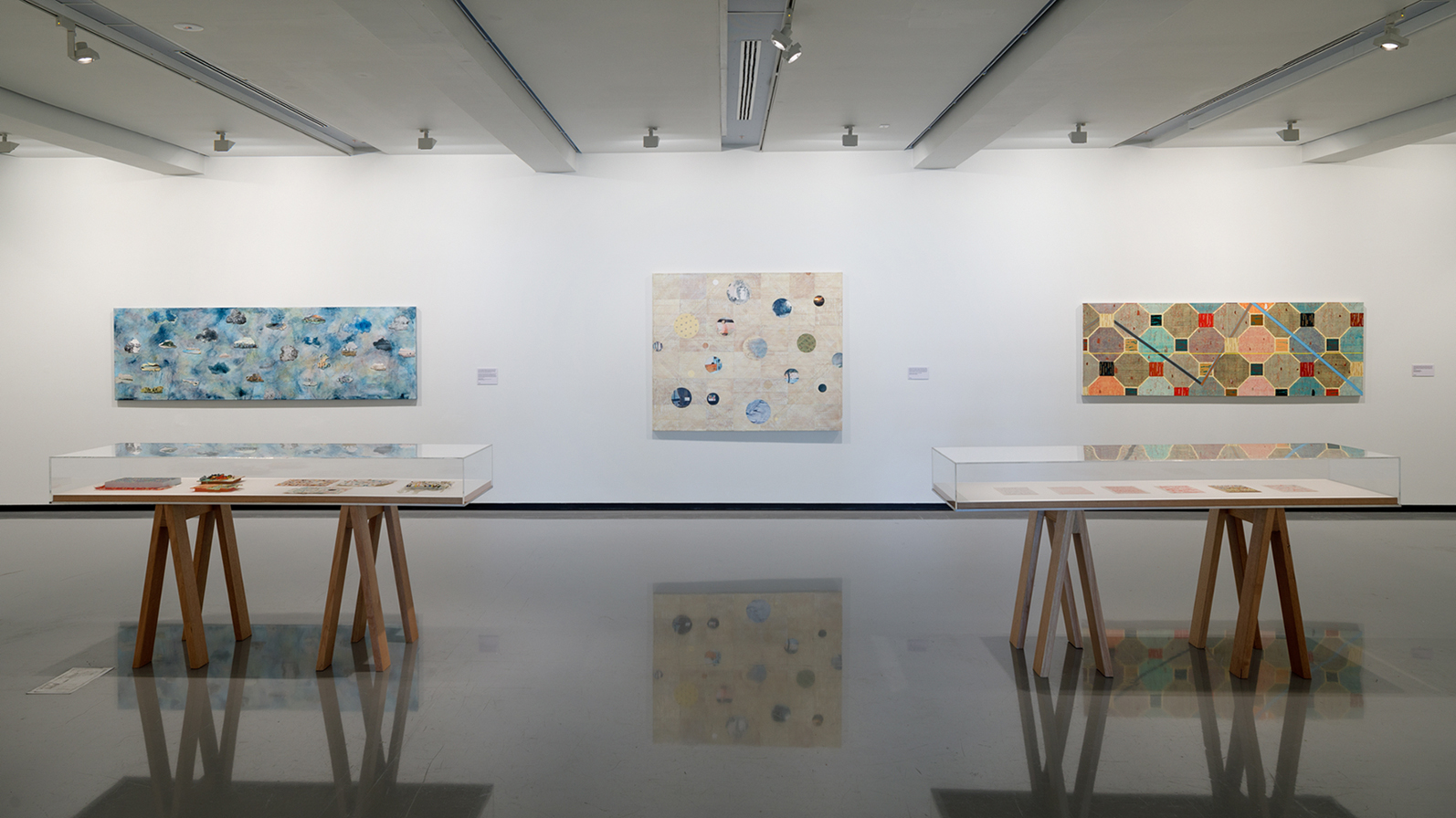
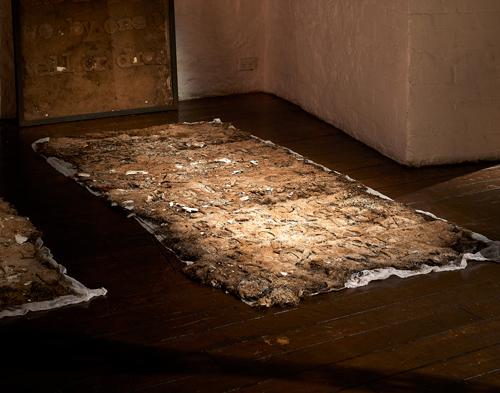
With her return to painting and studio practice in the following decades, Binns’ passion for material experimentation and curiosity for art’s possibilities beyond traditional understandings remained undimmed. Proudly noting that it took her to 70 to build her own studio, where she worked at her own slow pace, sometimes ‘a brushstroke a month’, Binns' credo was ‘process is all’. This ethos was well captured in the first major retrospective of her work, ‘Vivienne Binns: On and through the Surface’, at the Museum of Contemporary Art in Sydney and Monash Museum of Modern Art in 2022. Here, we see how her later works, such as Minding Clouds (2016), were infused with that same love of non-traditional materials and processes, indebted less to fine art suppliers than to Bunnings, underpinned by broader social and political concerns including her own identity, but driven above all by an anarchic disregard for social expectations, a ravenous curiosity and a raucous generosity. This constant questioning with ethical purpose as worked through material experimentation is what makes Vivienne Binns such an important figure not only in Australian art but in feminist art more broadly.
Vale.