The 'Improved' Body: animals & humans

The 'Improved' Body: animals & humans

Vol 22 no 1, 2002


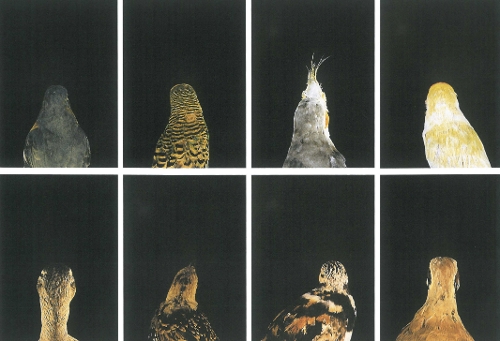
The implications of the new biotechnology for the human body and for the future of the species is visualised. Recent revelations that genetic makeup of animals is much closer to humans than was previously thought and possibilitues of trans-species hybridity is no longer just the stuff of myth or science fiction. Artists ask: how do we feel about becoming even closer to the animals we share the planet with? Current trends in surgery for transgender and cosmetic changes challenge notions of bodily identity. Writers include WJT Mitchell (Chicago) on Biocybernetics, George Alexander on Julie Rrap, Victoria Ryan on cosmetic surgery and art, Jane Goodall on Ella Dreyfus, Bronwyn Platten on bestiality, Anne Quain on transgenic pets.Also beautifully illustrated features on the works of Monika Tichacek, Sharon Goodwin, Michele Barker, Lynne Roberts-Goodwin, Juan Ford, Stelarc, Ionat Zurr and Oron Catts, Ray Cook, Helen Kundicevic, John Kelly, Jane Trengove, Stephen Holland and Tiffany Parbs.


Subscribe to Artlink - from $55. Subscriptions available for readers anywhere in the world.


NAVA - National Association for the Visual Arts


You are here » Artlink » Vol 22 no 1, 2002 » Ray Cook

Ray Cook

Ray Cook, artist profile

Ray Cook is a Brisbane-based photographic artist who has exhibited for 13 years with 20 solo shows to his credit. Cook's work has been primarily concerned with mortality, loss of control and the way gender and sexuality have been perceived in the media. His images are highly theatrical, staged scenarios, a hybrid of performance and still photography.

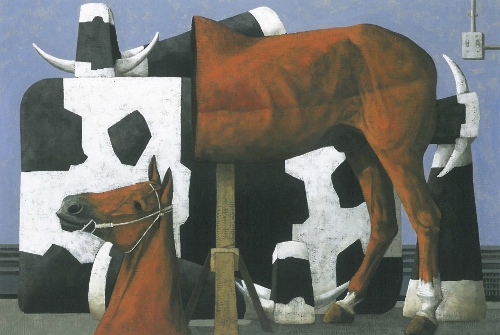
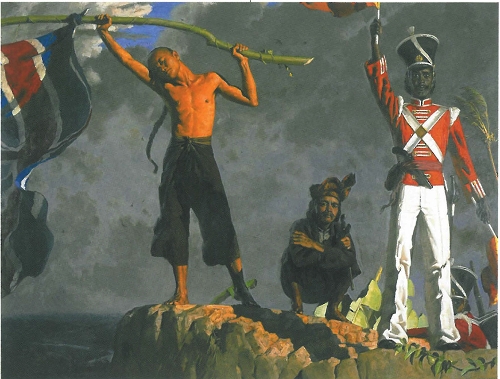
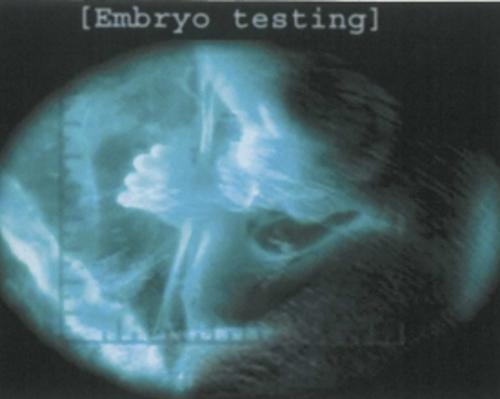
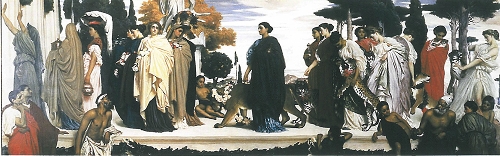
Ray Cook is a Brisbane-based photographic artist who has exhibited for 13 years with 20 solo shows to his credit. He has contributed to Lesbian and Gay cultural festivals nationally and internationally. Cook's work has been primarily concerned with mortality, loss of control and the way gender and sexuality have been perceived in the media. Much of his earlier work deals with HIV and its impact on his community. His images are highly theatrical, staged scenarios, a hybrid of performance and still photography. The black and white negatives are scratched, torn and artificially aged, the prints are bleached and toned with a variety of toners, producing colour and patina, sometimes giving the impression of colour photographs. The process is very time-consuming with some prints taking a month or more to complete, with the threat that they may fail at the last moment.
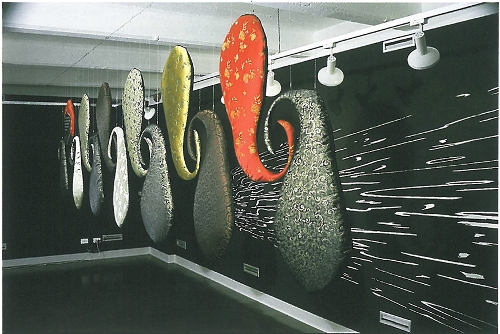
The preoccupation with ancient history in Cook's work finds him illustrating characters from antiquity from a positive queer perspective, so that the viewer is urged to participate in the reclamation of gay, lesbian and transgender identity. Gays, lesbians and transgendered people have been denied access to the empowerment that comes from having a formalised history. This has been erased, or unrecorded, by two millennia of patriarchal Judeo-Christian scholarship so we must read between the lines. Frocks, feathers and fetish gear may well have helped define queer identity in Alexander the Great's time, in much the same way it does today in New Farm or Darlinghurst or any other community to which queer people contribute. For the past few years Ray Cook has been working through his 'History of Love' series, with Part II completed. He is represented by Bryan Hooper at BBA Gallery in Sydney and by Andrew Baker in Brisbane. The History of Love Pt II will be on show at BBA Gallery in March 2002.


Article Index

Articles in this issue