The 'Improved' Body: animals & humans

The 'Improved' Body: animals & humans

Vol 22 no 1, 2002


The implications of the new biotechnology for the human body and for the future of the species is visualised. Recent revelations that genetic makeup of animals is much closer to humans than was previously thought and possibilitues of trans-species hybridity is no longer just the stuff of myth or science fiction. Artists ask: how do we feel about becoming even closer to the animals we share the planet with? Current trends in surgery for transgender and cosmetic changes challenge notions of bodily identity. Writers include WJT Mitchell (Chicago) on Biocybernetics, George Alexander on Julie Rrap, Victoria Ryan on cosmetic surgery and art, Jane Goodall on Ella Dreyfus, Bronwyn Platten on bestiality, Anne Quain on transgenic pets.Also beautifully illustrated features on the works of Monika Tichacek, Sharon Goodwin, Michele Barker, Lynne Roberts-Goodwin, Juan Ford, Stelarc, Ionat Zurr and Oron Catts, Ray Cook, Helen Kundicevic, John Kelly, Jane Trengove, Stephen Holland and Tiffany Parbs.


Subscribe to Artlink - from $55. Subscriptions available for readers anywhere in the world.


NAVA - National Association for the Visual Arts


You are here » Artlink » Vol 22 no 1, 2002 » Jane Trengove

Jane Trengove

Author & Artist: Ms Jane Trengove, artist profile

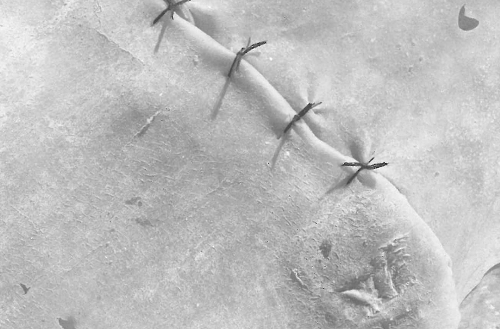
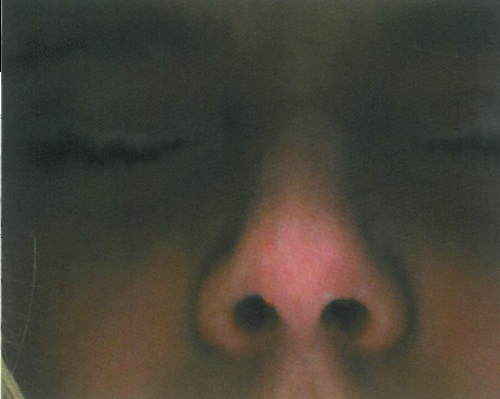
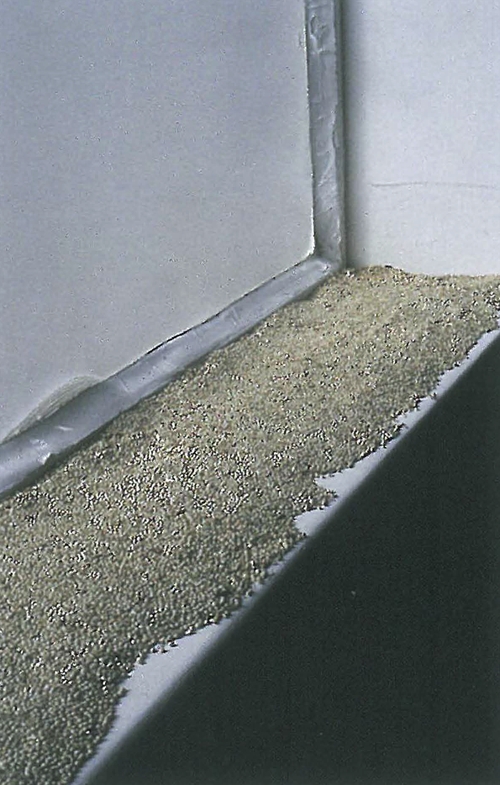
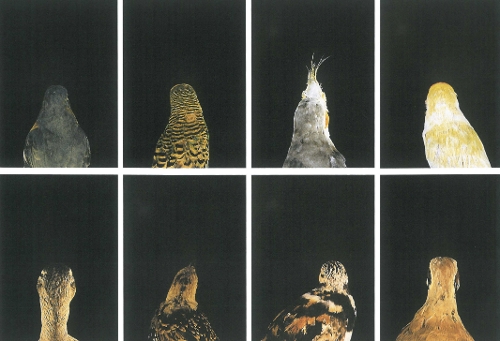
Jane Trengove's new paintings of monkey faces are the latest work in her long investigation into the human/animal interface. Trengove's intention with her series Looking Back is to grasp the moment of recognition from the human point of view and reverse the subject and object positions of the gaze. Trengove was born in Melbourne and studied at East Sydney Tech and at the Victorian College of the Arts.
'The eyes of an animal when they consider a man are attentive and wary... Man becomes aware of himself returning the look. The animal scrutinises him across a narrow abyss of non-comprehension. This is why the man can surprise the animal...The man too is looking across a similar, but not identical, abyss of non-comprehension... And so, when he is BEING seen by the animal, he is being seen as his surroundings are seen by him. His recognition of this is what makes the look of the animal familiar...The animal has secrets which, unlike the secrets of caves, mountains, seas, are specifically addressed to man.'
John Berger, About Looking, chapter entitled: 'Why Look at Animals?' (London, Writers and Readers, 1980)

Jane Trengove's new paintings of monkey faces is the latest work in her long investigation into the human/animal interface. She states:
'For some time I have been preoccupied with the primacy of sight and the visual in our culture and its impact on our lives. I have also been interested in the problematic human/animal interface.

When looking at primates we experience something direct and strangely familiar. One's gaze is returned and one feels somewhat realigned in the world, closing the gap between human and animal in an instant. My intention with Looking back is to grasp the moment of recognition from the human point of view and reverse the subject and object positions of the gaze.'

Trengove was born in Melbourne and studied at East Sydney Tech and at the Victorian College of the Arts. She has been showing her work in Melbourne and Brisbane since the late eighties, has also worked as a curator, and has been closely involved with the art and disability organization Arts Access.
She is represented by Sutton Gallery in Melbourne and Bellas Gallery in Brisbane.


Article Index

Articles in this issue