The 'Improved' Body: animals & humans

The 'Improved' Body: animals & humans

Vol 22 no 1, 2002


The implications of the new biotechnology for the human body and for the future of the species is visualised. Recent revelations that genetic makeup of animals is much closer to humans than was previously thought and possibilitues of trans-species hybridity is no longer just the stuff of myth or science fiction. Artists ask: how do we feel about becoming even closer to the animals we share the planet with? Current trends in surgery for transgender and cosmetic changes challenge notions of bodily identity. Writers include WJT Mitchell (Chicago) on Biocybernetics, George Alexander on Julie Rrap, Victoria Ryan on cosmetic surgery and art, Jane Goodall on Ella Dreyfus, Bronwyn Platten on bestiality, Anne Quain on transgenic pets.Also beautifully illustrated features on the works of Monika Tichacek, Sharon Goodwin, Michele Barker, Lynne Roberts-Goodwin, Juan Ford, Stelarc, Ionat Zurr and Oron Catts, Ray Cook, Helen Kundicevic, John Kelly, Jane Trengove, Stephen Holland and Tiffany Parbs.


Subscribe to Artlink - from $55. Subscriptions available for readers anywhere in the world.


NAVA - National Association for the Visual Arts


You are here » Artlink » Vol 22 no 1, 2002 » Michele Barker

Michele Barker

Artist: Ms Michele Barker, artist profile

Michele Barker is a Sydney-based artist working in the area of new media. Conceptually, her work has concerned itself with notions of bodily identity, difference and in more recent times, the relationship between science, medicine and corporeality.

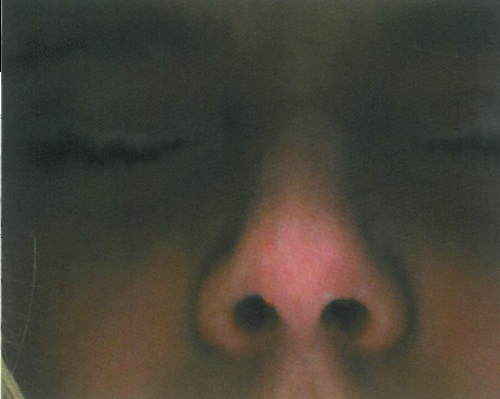
Michele Barker is a Sydney based artist working in the area of new media. Conceptually, her work has concerned itself with notions of bodily identity, difference and in more recent times, the relationship between science, medicine and corporeality.
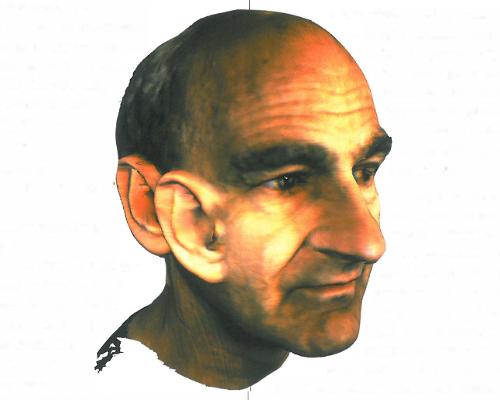
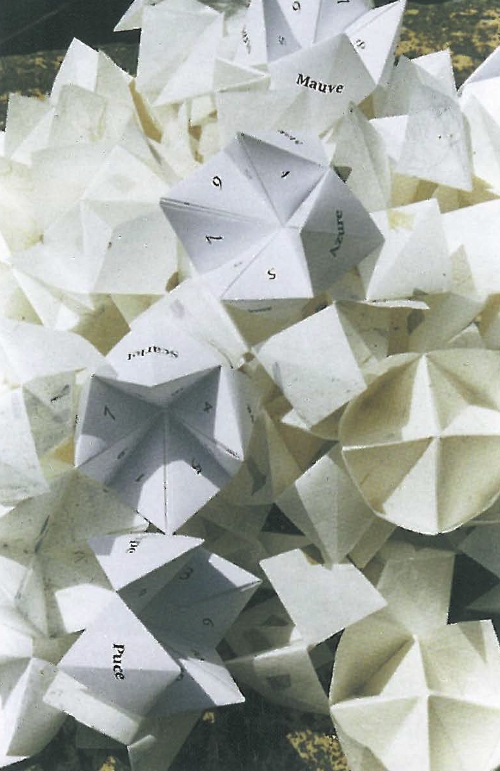
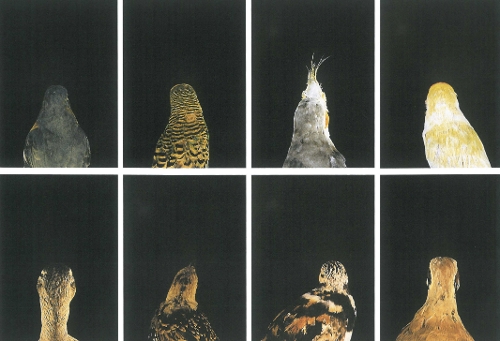
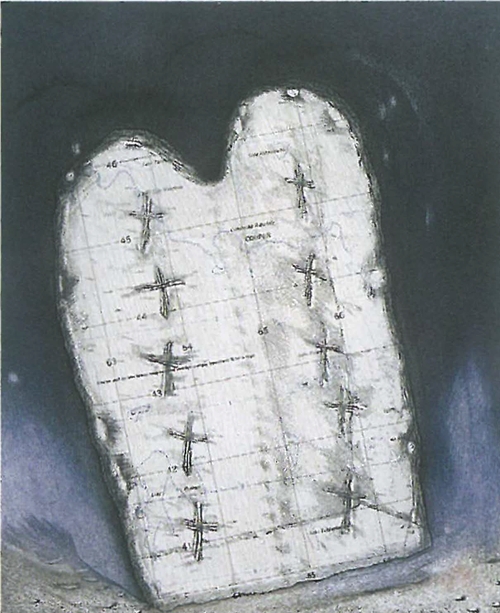
Her most recent work, Præternatural is a CDROM based work divided into two areas. The first is a genealogy, exploring the role of the monster in Western culture from the 17th century to the mid-20th century, aiming to establish the significance of the monstrous in its relationship to the body and paradigms of medicine and science. It reflects a larger understanding of the body based on a particular belief system - one that is an intermeshing of the cultural, medical and scientific.

The second area addresses a contemporary contextualisation of the monstrous, specifically in relation to its absence or phasing out, via the use of genetic screening. Taking further the current relations between science, medicine and the body, it also explores the absence of the body itself from these contemporary biotechnological discourses.
Præternatural was funded by the Australian Film Commission.

Michele Barker has exhibited extensively both in Australia and overseas, including Contact Zones at the Nickle Art Museum, University of Calgary, Canada; Waste 2001, Blackbox Media Lounge, Victorian Arts Centre; :::contagion::: Australian media art @ the Centenary of Federation, New Zealand Film Archive, Wellington; d>art 01, Customs House City Exhibition Space, Sydney; Tech Flesh: The Promise and Perils of the Human Genome Project, on-line and as part of Ctheory Multimedia.
She was invited by the Australian Film Commission to take Præternatural to Milia 2001the major international interactive conference and exhibition Cannes, France, as well as being a keynote speaker at FutureBodies: The Body I Will Have Been, a conference convened by the Academy of Media Arts, Cologne, Germany.

In April 2002 she is exhibiting in a group show, Aller Anfang (The Very Beginning), at the Palais Schoenborn, Vienna.


Article Index

Articles in this issue