The 'Improved' Body: animals & humans

The 'Improved' Body: animals & humans

Vol 22 no 1, 2002


The implications of the new biotechnology for the human body and for the future of the species is visualised. Recent revelations that genetic makeup of animals is much closer to humans than was previously thought and possibilitues of trans-species hybridity is no longer just the stuff of myth or science fiction. Artists ask: how do we feel about becoming even closer to the animals we share the planet with? Current trends in surgery for transgender and cosmetic changes challenge notions of bodily identity. Writers include WJT Mitchell (Chicago) on Biocybernetics, George Alexander on Julie Rrap, Victoria Ryan on cosmetic surgery and art, Jane Goodall on Ella Dreyfus, Bronwyn Platten on bestiality, Anne Quain on transgenic pets.Also beautifully illustrated features on the works of Monika Tichacek, Sharon Goodwin, Michele Barker, Lynne Roberts-Goodwin, Juan Ford, Stelarc, Ionat Zurr and Oron Catts, Ray Cook, Helen Kundicevic, John Kelly, Jane Trengove, Stephen Holland and Tiffany Parbs.


Subscribe to Artlink - from $55. Subscriptions available for readers anywhere in the world.


NAVA - National Association for the Visual Arts


You are here » Artlink » Vol 22 no 1, 2002 » Lynne Roberts-Goodwin

Lynne Roberts-Goodwin

Artist: Ms Lynne Roberts Goodwin, artist profile

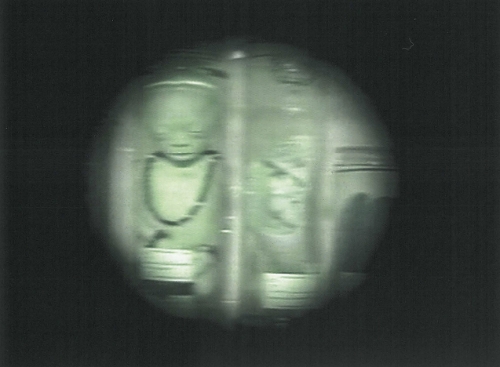
Lynne Roberts-Goodwin's work with birds is the latest chapter in her 20-year practice using digital photography. Her current work involves the research and image capture/production of animal habitat and migration using infrared and supplementary daylight fibre-optic lighting with digital image and video capture technologies.
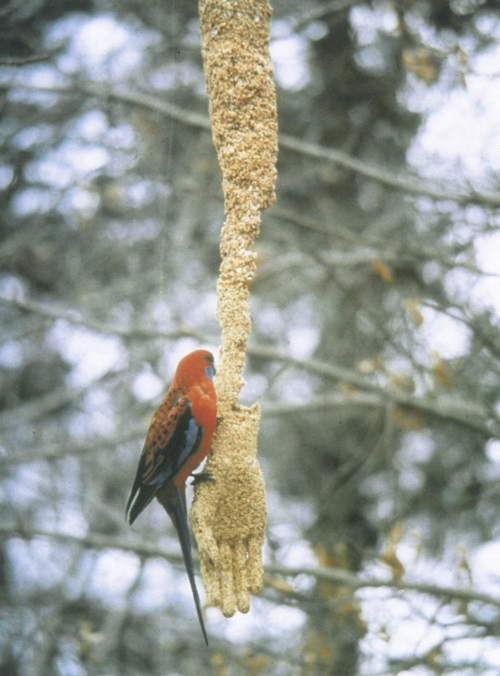
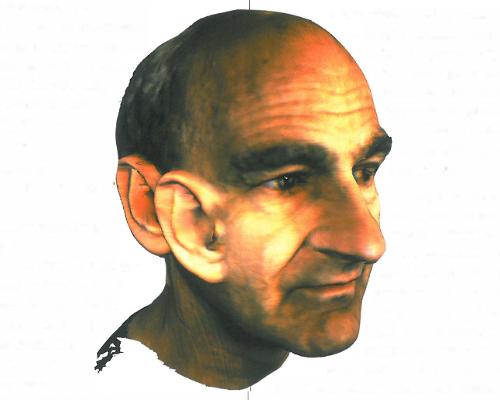
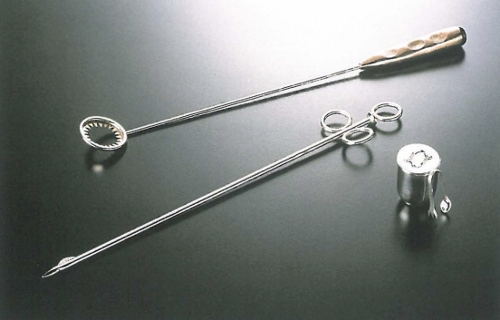
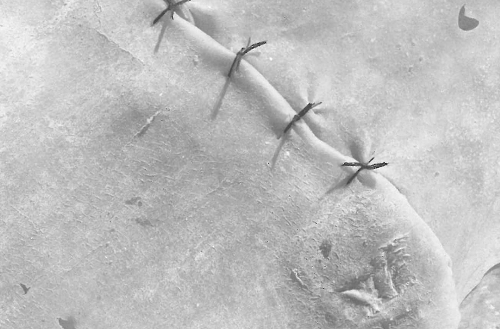
Lynne Roberts-Goodwin's work with birds is the latest chapter in her 20-year practice using digital photography. Her current work involves the research and image capture/production of animal habitat and migration using infra-red and supplementary daylight fibre-optic lighting with digital image and video capture technologies in addition to repositioning indigenous museum ornithology collections in new contexts.

She is an artist who works outside the gallery and studio, undertaking residencies with the World Wildlife Fund in India, the Rockefeller Foundation, as well as Sydney's Taronga Park Zoo, the Australian Museum's and the Smithsonian Institute's Ornithology divisions, using the latest satellite tracking systems to find the sites of peregrine falcons and white-backed vultures. In 2000-1 she did field trips in association with local institutions to Maharashtra and Himachal Pradesh in India, and New York State, U.S.A. in search of her subject.

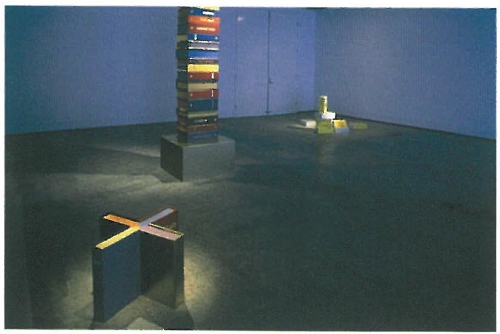
As well as completing works in the public arena (these have been characterised by being almost invisible, eg for the Sydney Sculpture Walk, as she prefers art in city streets and parks to have minimal impact on their surroundings) she shows the results of her most recent researches in solo shows at galleries in Sydney, Abu Dhabi, and Los Angeles.

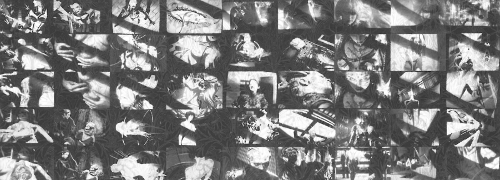
Roberts-Goodwin's long series of documentary photographs of birds and insects - contraband confiscated by Customs - is, according to the artist, a contribution to the archive of archaeology. Her documentations are categorized as post-minimalist or post-conceptualist art because of their exhaustive enumeration of subject matter and her patient determination to record every possible type of chosen object, even though the differences are minute. She works with disappearance and camouflage of the artwork. Her catalogues of animals - deer, dogs, camels, flies, pigeons - cohere into a city at the centre of which is an arena of false memories. In Lynne Roberts-Goodwin's latest works, animals are subsumed, eaten up, by their location in a chain of architectural forms and regional languages.


Article Index

Articles in this issue