
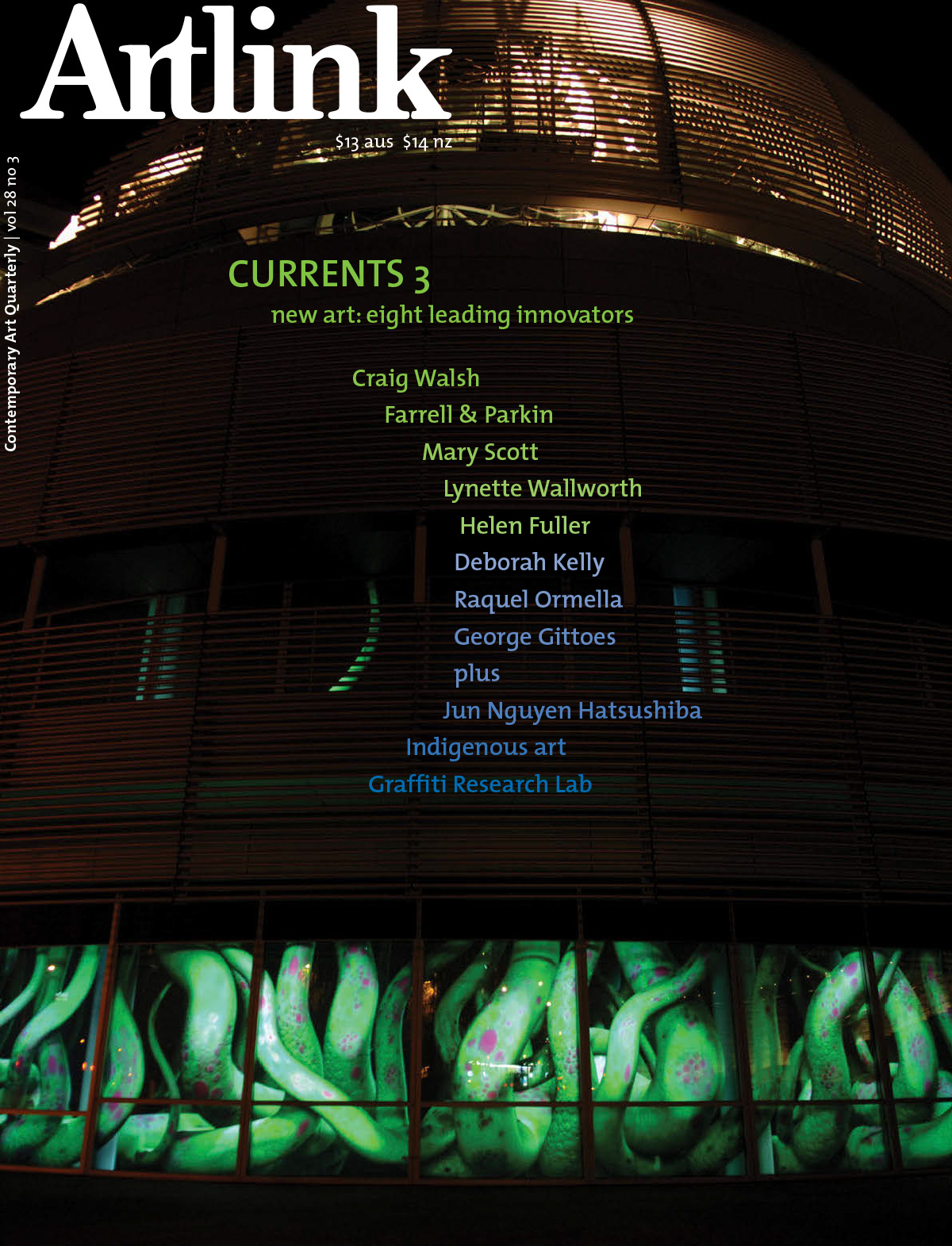
Currents III
Issue 28:3 | September 2008
Where is some of the best art being made in Australia and who is making it? Our biennial CURRENTS series of in-depth essays is a mini-survey of work by eight mid-career artists who have hit their stride. Craig Walsh, Raquel Ormella, Helen Fuller, Mary Scott, George Gittoes, Farrell & Parkin, Lynette Wallworth and Deborah Kelly work in a wide range of media and out of a range of geographies. Other features are Tim Acker's insights into current challenges faced by Indigenous artists with forgeries and ripoffs still happening, and a look at the Graffiti Research Lab who visited Adelaide recently. Plus book and exhibition reviews and more. Editor Stephanie Britton.
In this issue
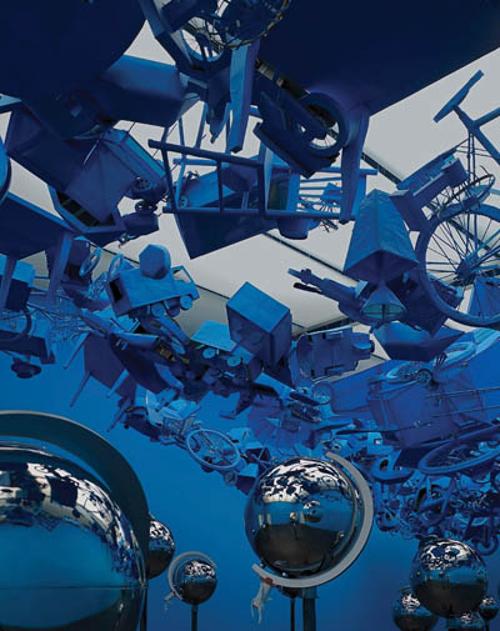
Jun Nguyen-Hatsushiba seduction and imponderability
Jun Nguyen-Hatsushiba's best-known work is the video Memorial Project Nha Trang, Vietnam: Towards the Complex - For the Courageous, the Curious and the Cowards (2001)in which fishermen ride cyclos (cycle rickshaws) underwater across the seabed. An engaging retrospective of Nguyen-Hatsushiba's thought-provoking and challenging work was shown in 2007 at the Museum of Art Lucerne and in 2008 at the Manchester Art Gallery displayed the work. In his most recent and ongoing work he is running a global marathon, the diameter of the earth. The artist says: 'After developing various kinds of memorial projects, I needed to experience the nature of physical struggle myself.'
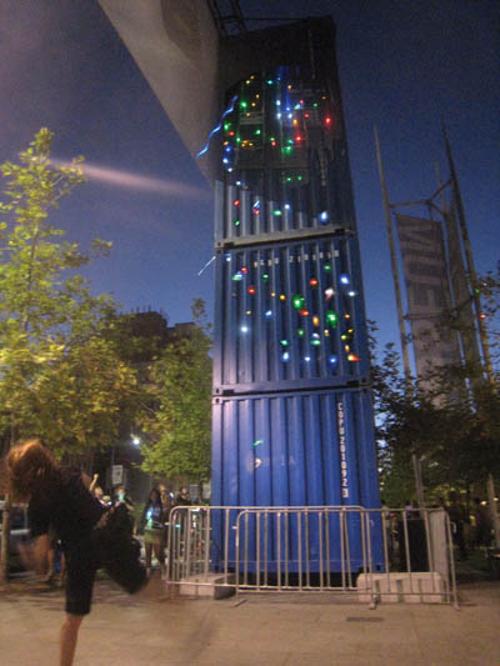
G.R.L. giving people opportunities to tear their city apart since 2005
In March 2008 James Powderly and Evan Roth of the New York-based Graffiti Research Lab (G.R.L.) spent time in Adelaide during the Festival as guests of Carclew Youth Arts. The Graffiti Research Lab is dedicated to outfitting graffiti writers, pranksters, artists and protestors with open source tools for urban communication. Today, an inventory of street artforms would include tagging, muralling, political sloganeering, stencils, stickers, paste-ups, installation, guerilla projection, culture jamming, and advertisement hacking. Powderly and Roth define graffiti as anything that happens outside in the city without permission. At the heart of all G.R.L. projects is the concept of open source , and perhaps it is this approach that has been their greatest area of influence.
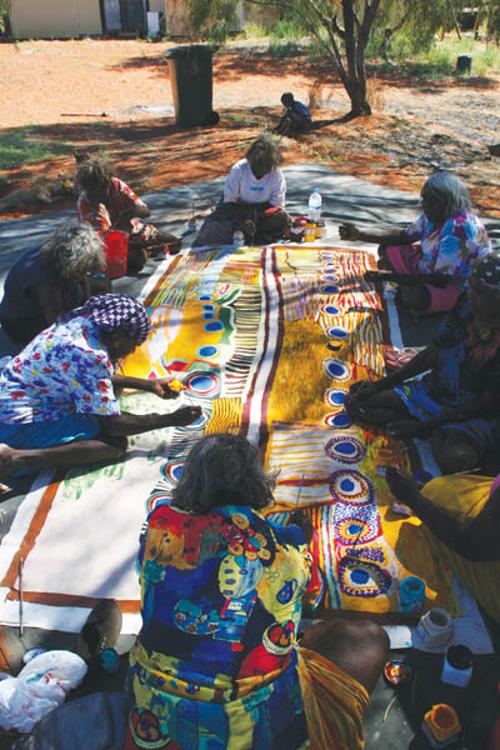
Aboriginal art: it's a complicated thing
Tim Acker, an independent arts consultant working with Aboriginal artists in remote and regional Australia, writes about the current situation. Questions of ethics in the sale, and making, of Aboriginal art are under review and an Australian Indigenous Art Commercial Code of Conduct has been developed though the 2008 Federal budget failed to fund its roll-out. Acker suggests that consumers become more educated about the art and about the provenance of the works they buy.
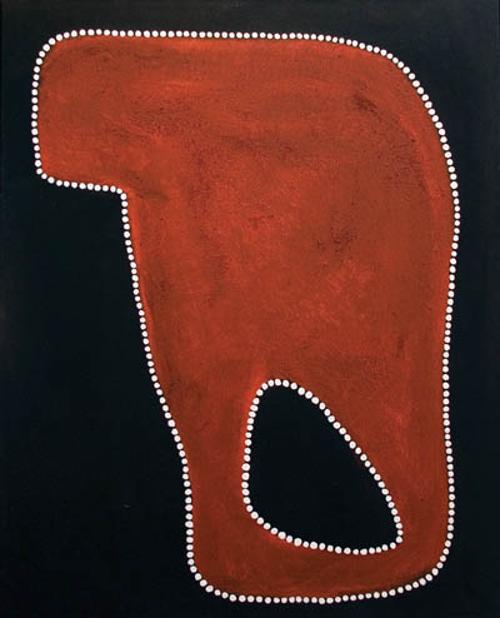
Problematic artworks or my doctor told me to take up painting to help me cope with the panic attacks
Suzanne Spunner, a graduate of Melbourne University's Art Authentication Program at the Centre for Cultural Materials Conservation, writes about the successful landmark prosecution of Pamela and Ivan Liberto for forging Rover Thomas paintings in November 2007. Meanwhile in April 2008 artist Nat Thomas, half of the art duo Nat and Ali, in an exhibition entitled 'Appropriation: how appropriate is it?', made and showed fake Rover Thomas paintings as an art prank. 'My doctor told me to take up painting to help cope with the panic attacks' is a quote by Pamela Liberto from the transcript of the case, appropriated by Nat Thomas as the title for one of her fake Rover Thomas works.
Lynette Wallworth: shared moments of revelation
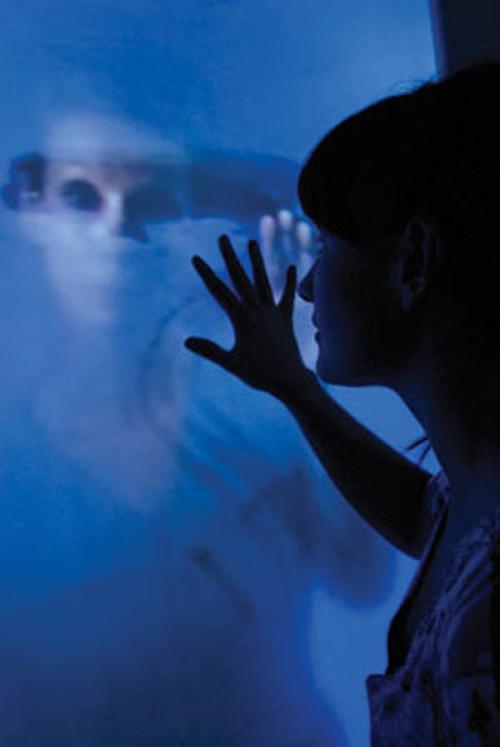
Lynette Wallworth's New Media Art is subtle and complex. Empathy is the emotion at the heart of all her works such as Invisible by Night in which the viewer activates the work by reaching out to make contact with a grieving woman and Hold in which viewers catch imagery in glass bowls. Wallworths international profile is rising. She has exhibitions planned for France (Aix en Provence Festival), the Melbourne Festival in 2008 and the Adelaide Film Festival 2009 and with each new project she is striking an emotional chord in her audiences that resonates long after the physical engagement with the work is over.
Rose Farrell and George Parkin: home (operating) theatre
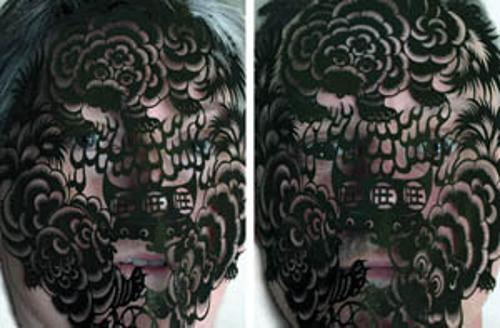
Rose Farrell and George Parkin's art consist of photographs of tableaux involving the artists in sets that they build in their home. They frequently copy old medical illustrations in which the reality of the past is both made to live and to seem ever more mythical. Dylan Rainforth takes an informative and affectionate approach to the complexity of Farrell and Parkin's modus operandi and their newest photographic series called Restoration.
Deborah Kelly's gods, monsters and probable histories
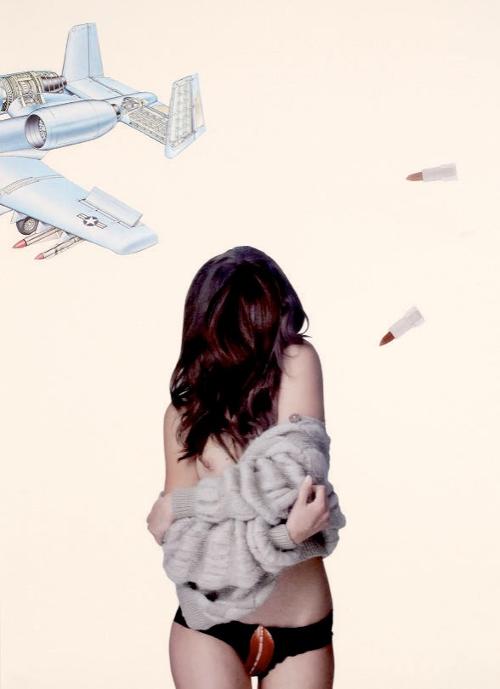
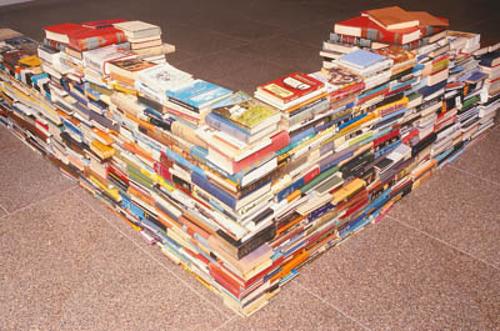
Each of Deborah Kelly's projects has multiple identities and is cut to fit a certain idea. They are 'both nomadic and site-specific, traversing worlds from art institutions to supermarket shelves and creating multifarious audiences along the way'. Her best known work 'Beware of the God' was first projected over the MCA in 2005 and was last seen at the 2008 Singapore Biennale.
George Gittoes art and the war on terror
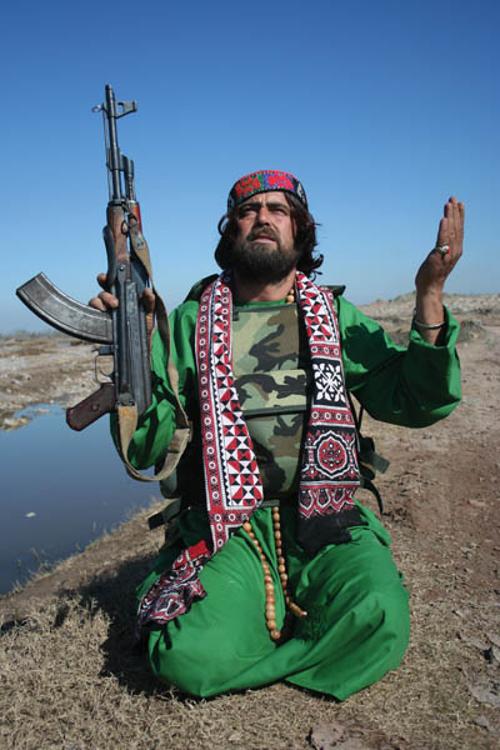
George Gittoes' latest film Miscreants was made in Pakistan and records the contradictions of life there with the polemic of Goya and the speed of an MTV music clip. This film follows his earlier cult films Soundtrack to War and Rampage. Gittoes is never a dispassionate observer, he continues to paint and to draw, making war art that is emotional as well as rich with the difficult truths of our time.
The dramatic tensions of some place: Mary Scott
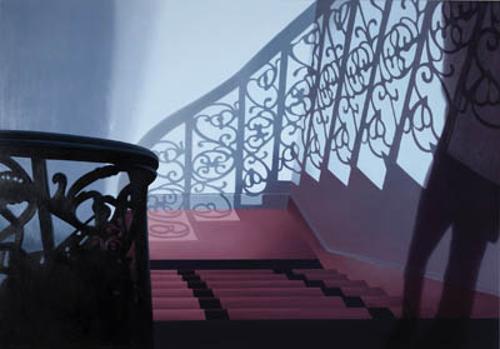
Tasmania-based Mary Scott's art ranges across media from traditional to cutting edge. Sometimes she meticulously paints oil on linen from digitally devised imagery, at other times she uses multiple inkjet prints as the final work. Focusing on Scott's 2007 exhibition Some Place at Criterion Gallery in Hobart, Mary Knights describes her hallucinogenic and unheimlich works as depicting 'with detachment and clarity the spectrum of human fragility.'
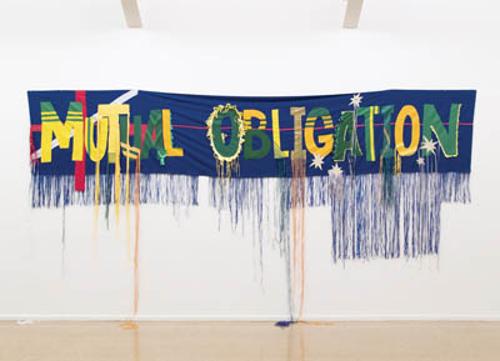
Landscape and complexity: Raquel Ormella
Raquel Ormella's art is political and takes many circuitous approaches to complex issues. Her recent work Wild Rivers: Cairns, Brisbane, Sydney shown in the 2008 Sydney Biennale called up a political landscape of maddening complexity even as it emphasises the need for direct action. Bec Dean writes: 'Ormella is a kind of critical idealist who understands not only the effectiveness of lobbying and the power of the individual in bringing about change but also the slow-burn persistence of such change.'
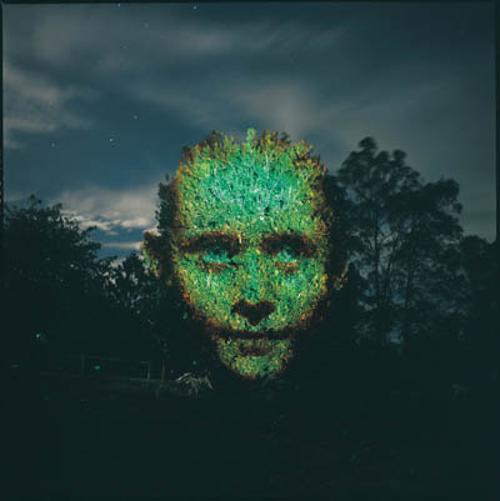
Craig Walsh transfigured nights, surprising days
The artworks developed by Craig Walsh over the last sixteen years in Australia and around the world take the immediacy of the moving image and place it in unexpected places doing unexpected things. With a strong global profile he is increasingly being asked to participate in prestigious international events, most recently Drift 08 in London and Koganecho Bazaar in Yokohama.
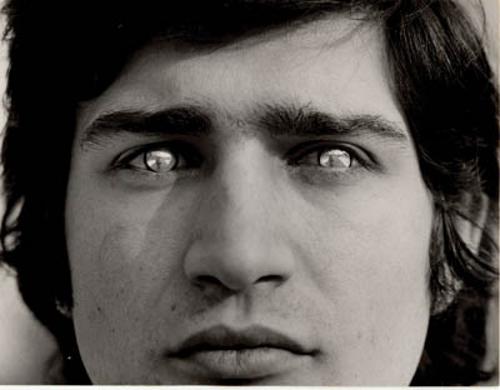
Biennale of Sydney 2008 Revolutions - Forms That Turn
Biennale of Sydney 2008 Revolutions - Forms That Turn Curator: Caroline Christov-Bakargiev 18 June 7 September 2008
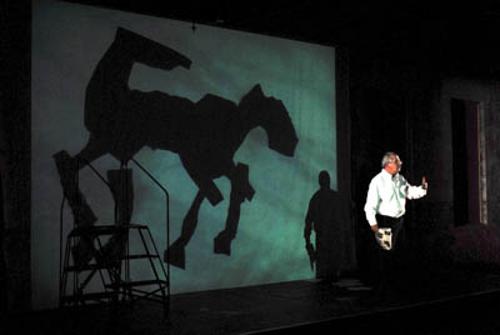
Performances at Biennale of Sydney 2008 Revolutions - Forms That Turn
Performance at Biennale of Sydney 2008 Revolutions - Forms That Turn Curator: Caroline Christov-Bakargiev 18 June 7 September 2008
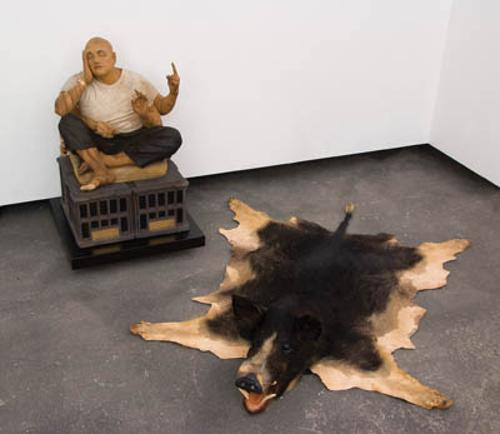
God-favoured, Rodney Glick: Surveyed
God-favoured, Rodney Glick: Surveyed Lawrence Wilson Art Gallery 13 June 10 August 2008
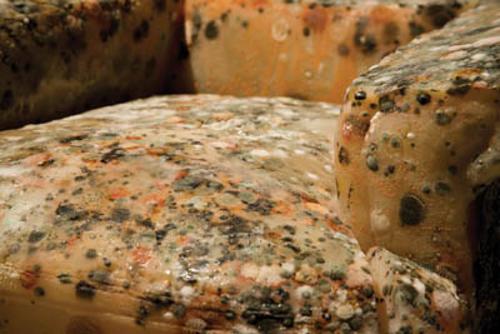
Companion Planting
Companion Planting Lucy Bleach, Michelle Cangiano, Dean Chatwin, Raef Sawford, Amanda Shone Curator: Jack Robins CAST Gallery, Hobart May 24 June 15 2008
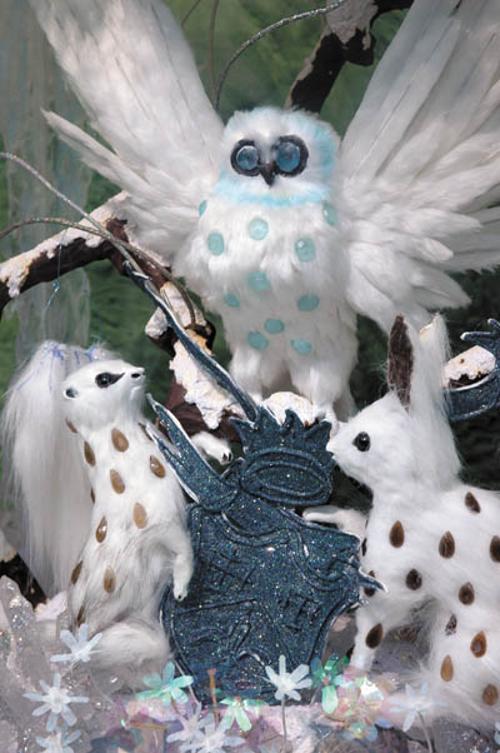
Kate Rohde: flourish
Kate Rohde: flourish Curator: Jenna Blyth TarraWarra Museum of Art 20 April - 20 July 2008
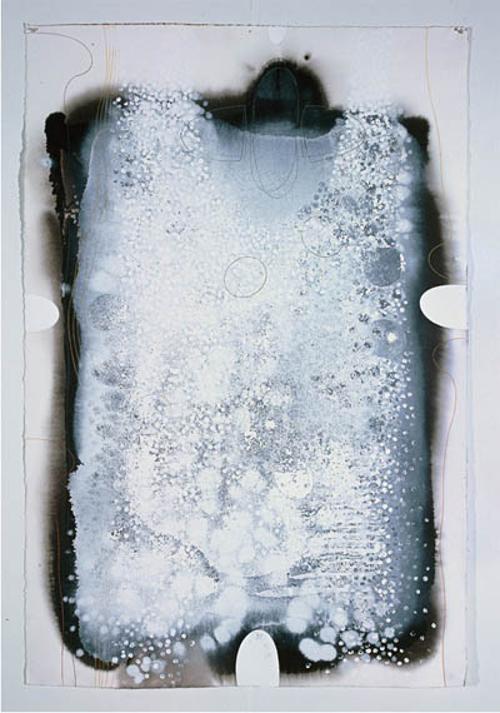
Ian Friend: Thirty Years of Works on Paper 1977-2007
Ian Friend: Thirty Years of Works on Paper 1977-2007 Curators: Gordon Craig and Anne Kirker QUT Art Museum, Brisbane 24 April- 29 June 2008
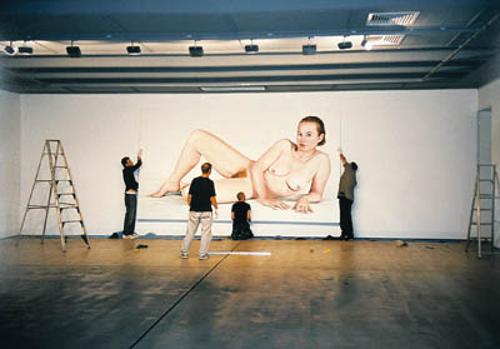
Uneasy: Recent South Australian Art
Uneasy: Recent South Australian Art Curator: Timothy Morrell Samstag Museum of Art, University of South Australia 20 June - 17 August 2008
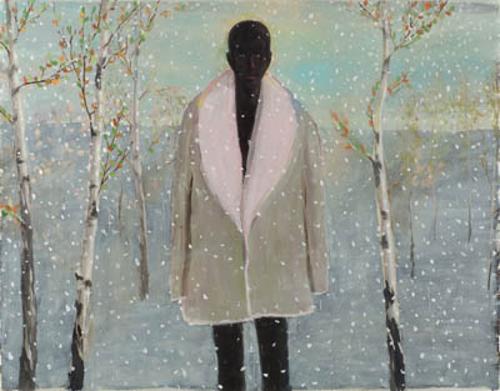
The Lovely Season, Enrique Martinez Celaya
The Lovely Season Enrique Martinez Celaya Liverpool Street Gallery 27 February 27 March 2008
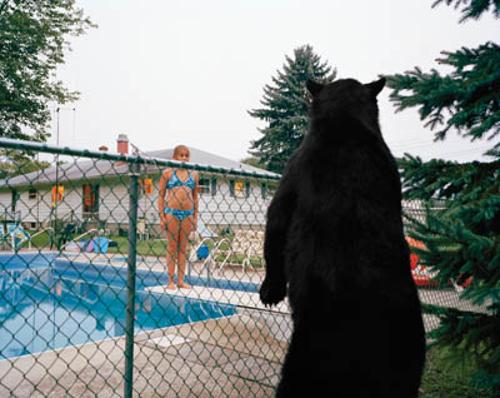
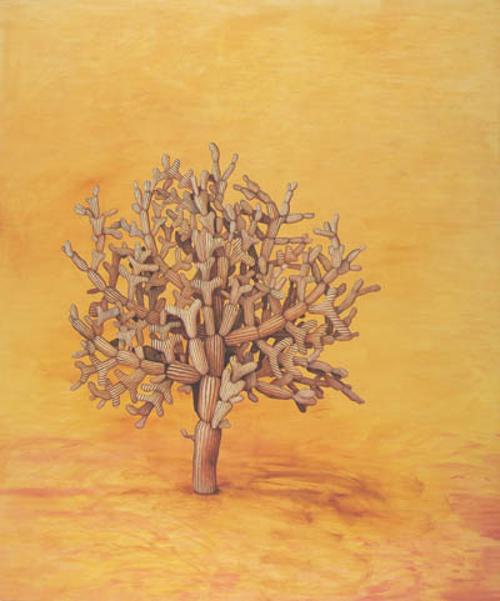
Bal Tashchit: Thou Shalt Not Destroy
Bal Tashchit: Thou Shalt Not Destroy Curators: Melissa Amore and Ashley Crawford Jewish Museum of Australia, St Kilda 8 April 29 June 2008
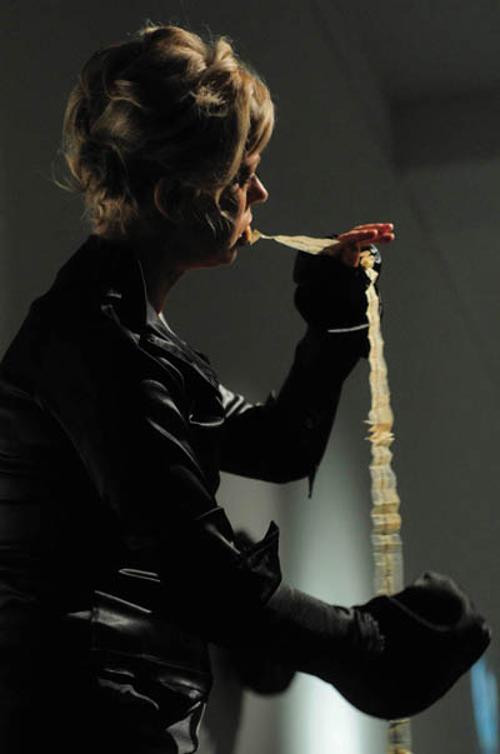
III Performances (in white cube)
III PERFORMANCES [in white cube] Linda Lou Murphy Ana Wojak & Fiona McGregor Alison Currie Curator: Melentie Pandilovski Experimental Art Foundation, Adelaide 30 May 5 July 2008
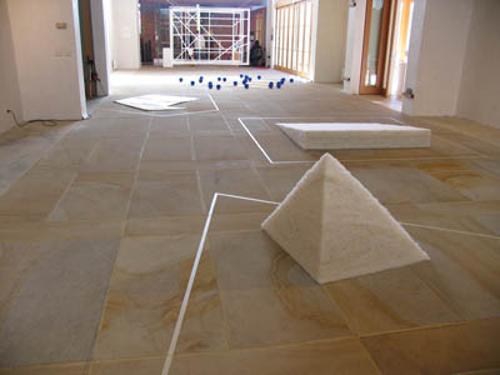
Translating from the dead to the living, Karin Lettau
Translating from the dead to the living Karin Lettau Design Centre, Tasmania 24 April 20 June 2008
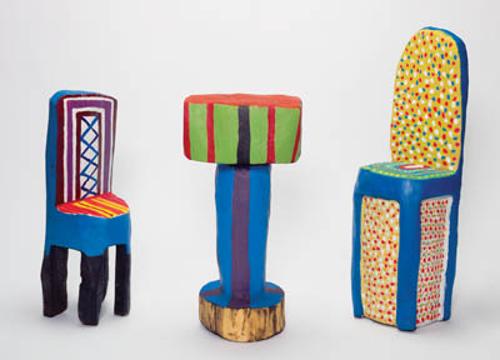
Xstrata Coal Emerging Indigenous Art Award 2008
Xstrata Coal Emerging Indigenous Art Award 2008 Gallery of Modern Art (GoMA), Brisbane 11 July 12 October 2008
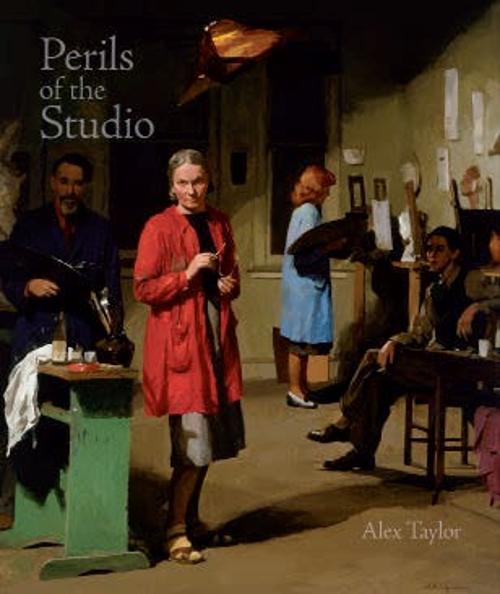
Perils of the studio: inside the artistic affairs of bohemian Melbourne, Alex Taylor
Perils of the Studio: Inside the artistic affairs of bohemian Melbourne by Alex Taylor, Australian Scholarly Publishing in association with the State Library of Victoria, 2007, hardcover, 212 pages RRP $59.95
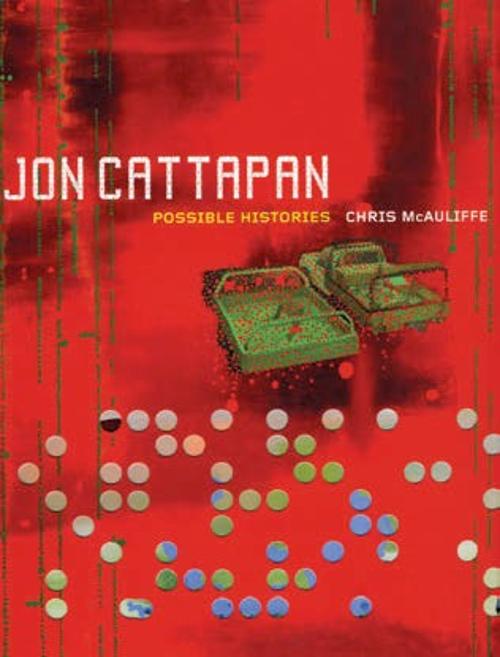
Jon Cattapan: possible histories
by Chris McAuliffe Melbourne: Miegunyah Press, 2008, RRP $49.95 Reviewed by Ian North
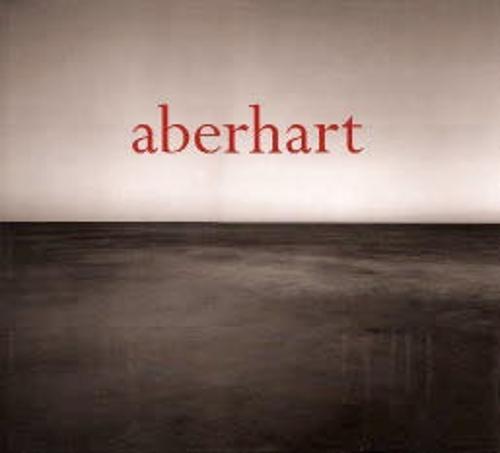
Aberhart
Photographs by Laurence Aberhart Essays by Gregory OBrien and Justin Paton Victoria University Press 2007 NZ $125