The 'Improved' Body: animals & humans
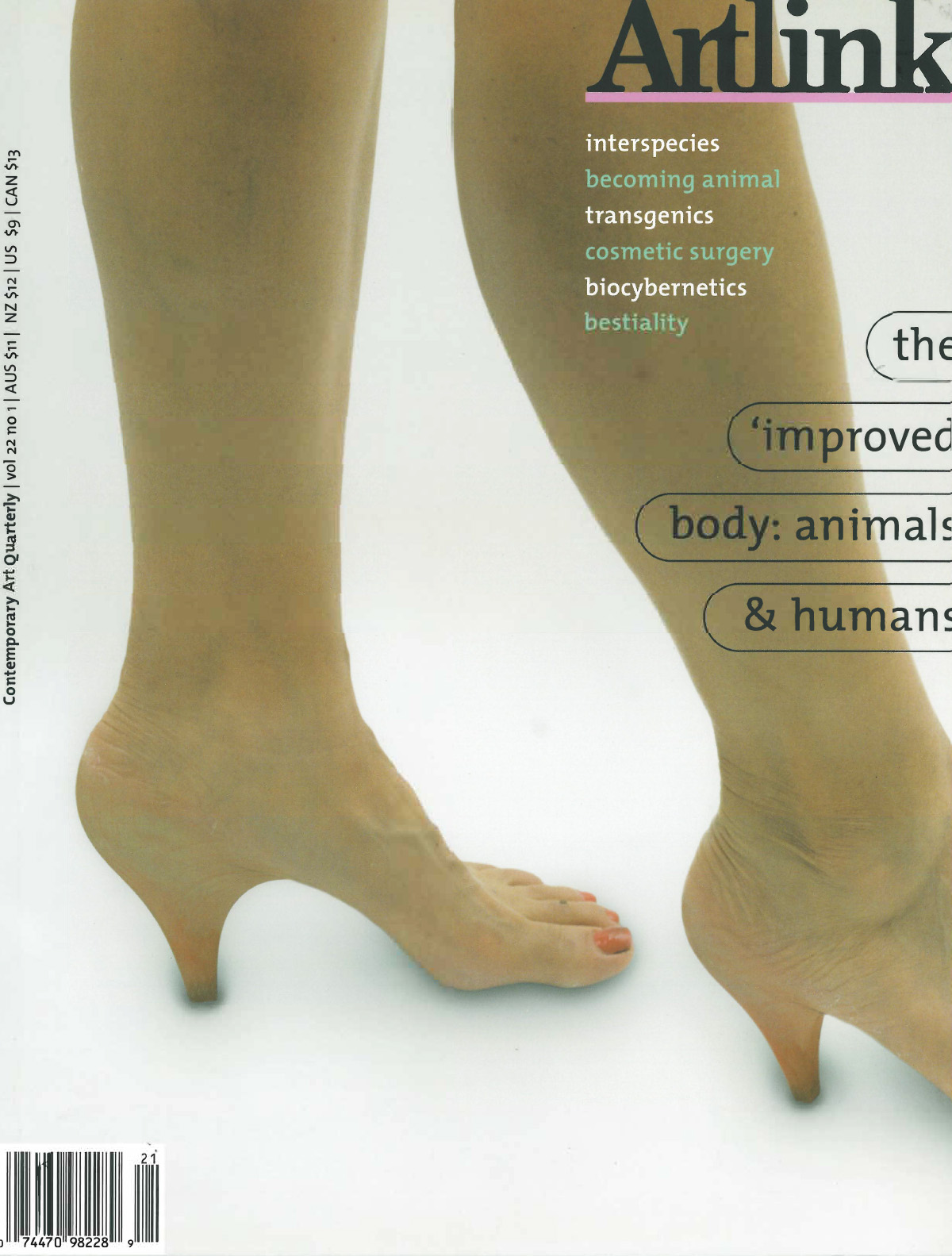
The implications of the new biotechnology for the human body and for the future of the species is visualised. Recent revelations that genetic makeup of animals is much closer to humans than was previously thought and possibilitues of trans-species hybridity is no longer just the stuff of myth or science fiction. Artists ask: how do we feel about becoming even closer to the animals we share the planet with? Current trends in surgery for transgender and cosmetic changes challenge notions of bodily identity. Writers include WJT Mitchell (Chicago) on Biocybernetics, George Alexander on Julie Rrap, Victoria Ryan on cosmetic surgery and art, Jane Goodall on Ella Dreyfus, Bronwyn Platten on bestiality, Anne Quain on transgenic pets.Also beautifully illustrated features on the works of Monika Tichacek, Sharon Goodwin, Michele Barker, Lynne Roberts-Goodwin, Juan Ford, Stelarc, Ionat Zurr and Oron Catts, Ray Cook, Helen Kundicevic, John Kelly, Jane Trengove, Stephen Holland and Tiffany Parbs.

Subscribe or Order this issue » (from $14 inc. postage)
Articles in Vol 22 no 1, 2002
Jane Trengove 
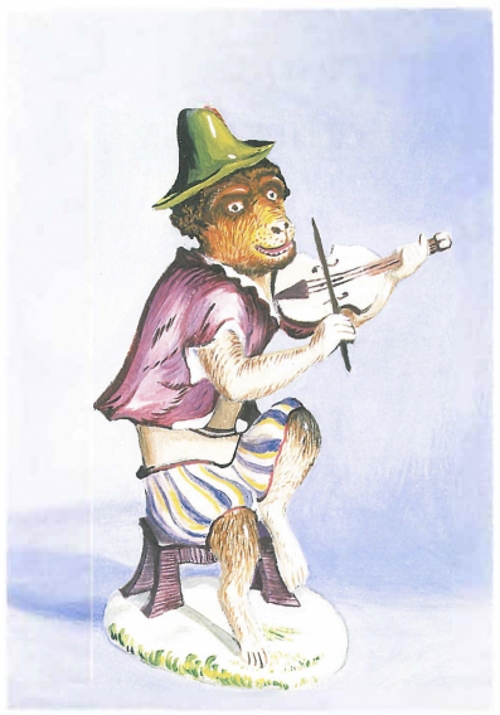
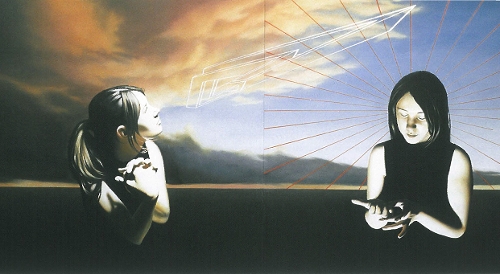
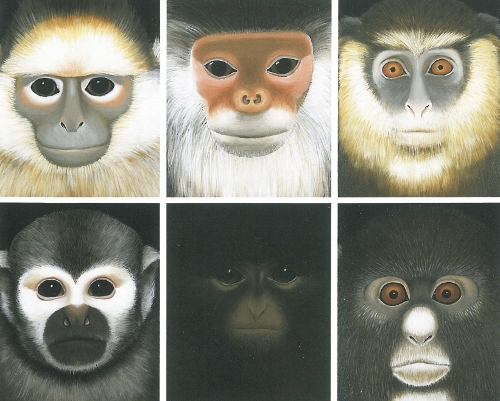
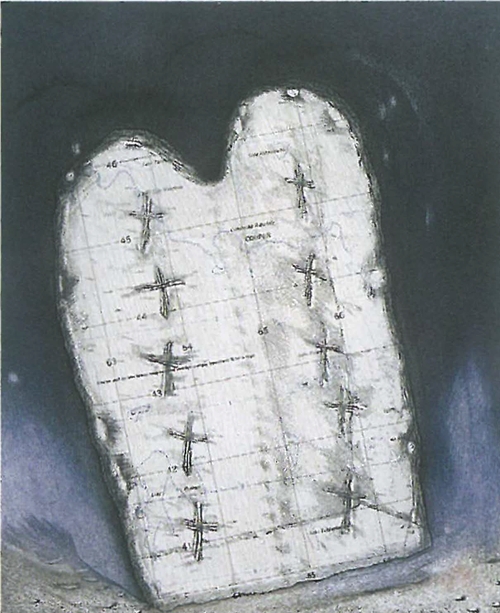
Artist profile by Jane TrengoveJane Trengove's new paintings of monkey faces are the latest work in her long investigation into the human/animal interface. Trengove's intention with her series Looking Back is to grasp the moment of recognition from the human point of view and reverse the subject and object positions of the gaze. Trengove was born in Melbourne and studied at East Sydney Tech and at the Victorian College of the Arts. —
John Kelly 
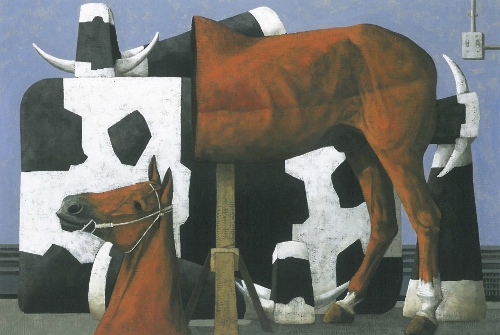
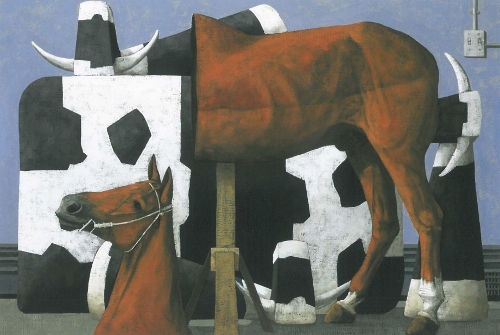
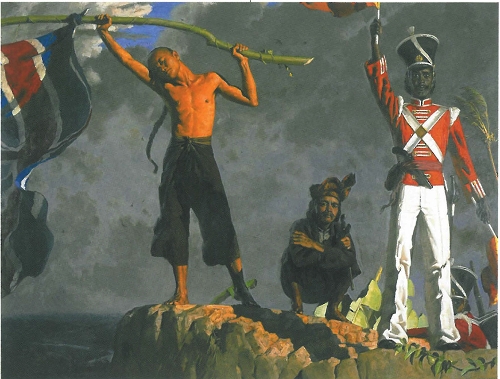
Artist profile by John KellyJohn Kelly paints cows and horses, in particular, the legendary Phar Lap and Dobell's camouflaged bovines. Through using these narratives and adding new elements Kelly has created a multi-layered structure of ideas. This evolution works on a slow time scale that is at odds with today's fast consumer culture where products need to be refreshed and changed on a continual basis. —
Lynne Roberts-Goodwin 
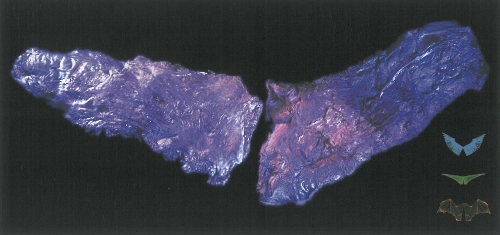
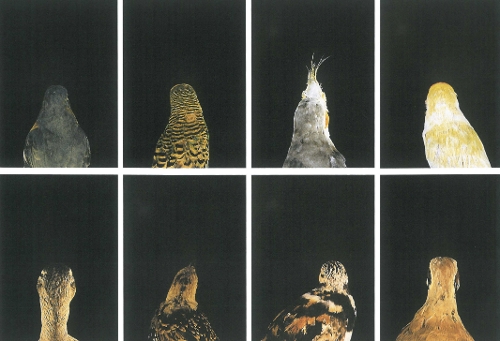
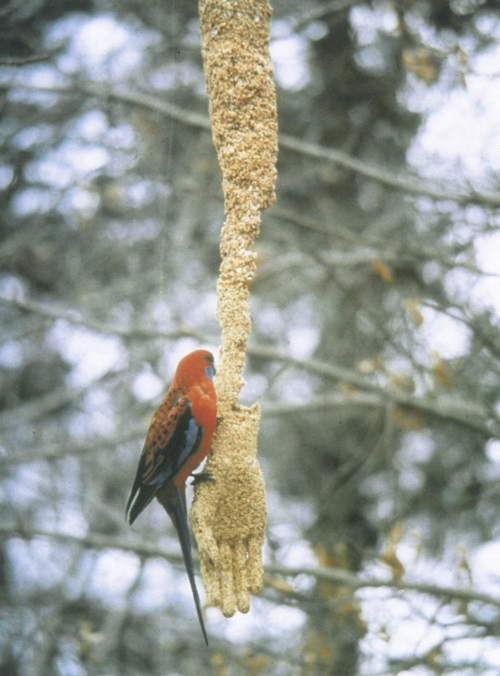
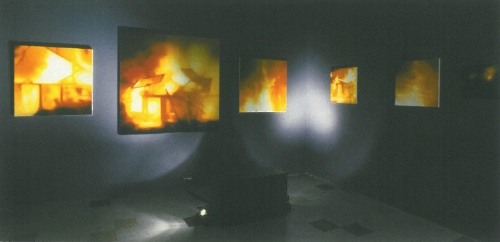
Artist profile by Lynne Roberts GoodwinLynne Roberts-Goodwin's work with birds is the latest chapter in her 20-year practice using digital photography. Her current work involves the research and image capture/production of animal habitat and migration using infrared and supplementary daylight fibre-optic lighting with digital image and video capture technologies. —
Michele Barker 
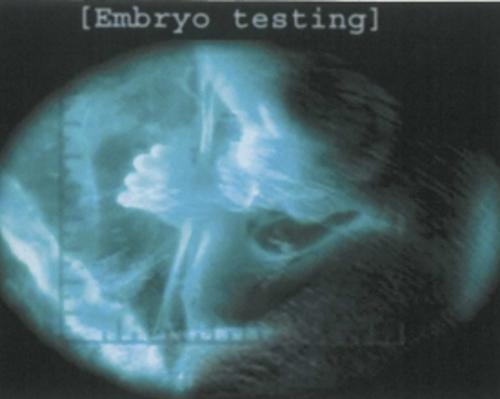
Artist profile by Michele BarkerMichele Barker is a Sydney-based artist working in the area of new media. Conceptually, her work has concerned itself with notions of bodily identity, difference and in more recent times, the relationship between science, medicine and corporeality. —
Monika Tichacek 
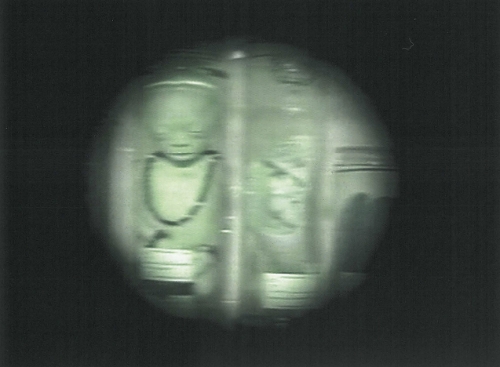
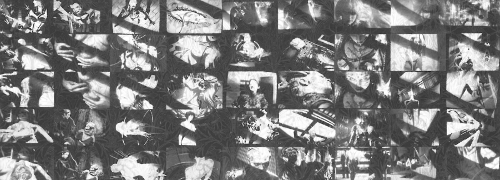
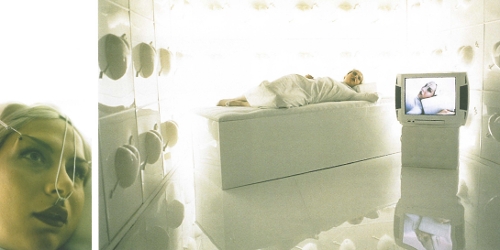
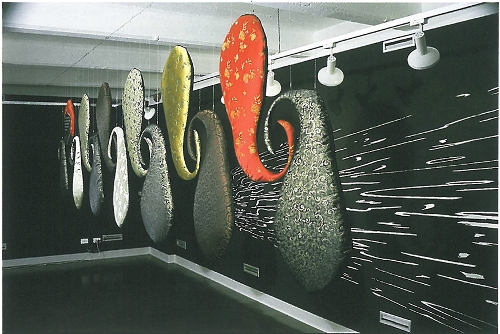
Artist profile by Monika TichacekMonika Tichacek is an installation artist based in Sydney. Her performance installations exist as a space within fiction, dreamlike. In both of Tichacek's works 'I Wanna Be Loved By You' and 'Romance' the view of the human is mediated by a surveillance camera, echoing the receding of the surgically enhanced body from human towards post-human. —
Ray Cook 
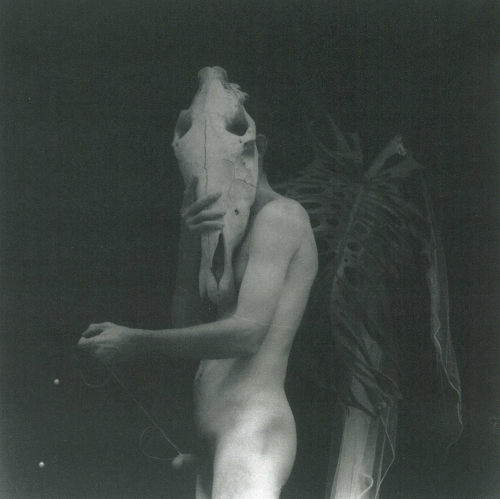
Artist profile by Ray CookRay Cook is a Brisbane-based photographic artist who has exhibited for 13 years with 20 solo shows to his credit. Cook's work has been primarily concerned with mortality, loss of control and the way gender and sexuality have been perceived in the media. His images are highly theatrical, staged scenarios, a hybrid of performance and still photography. —
Steven Holland 
Artist profile by Steven HollandSteven Holland's 'pests/pets, DEED and being' are a part of an ongoing series of ephemeral investigations into the representation of animal life. Underlining this is an exploration into the act of looking and the dominance of human vision. Holland was born in Dwellingup, WA, and studied at Curtin University, Canberra School of Art and at the Royal College of Art. —
Tiffany Parbs 
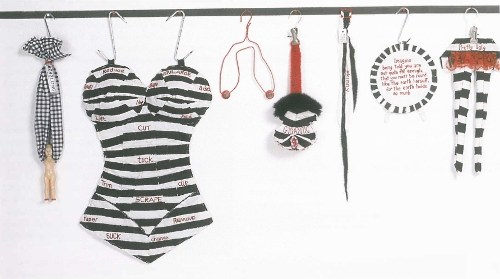
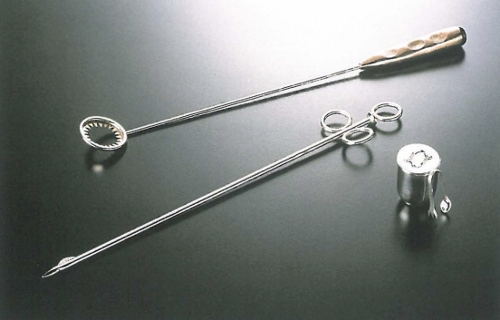
Artist profile by Tiffany ParbsTiffany Parbs reinterprets 18th century medical tools to create works of small objects which carry with them an implication of an intimate relationship with the body. Parbs is based in South Australia at the JamFactory Contemporary Craft & Design; her project has been assisted by Arts SA and the Australia Council. —
Animal Love and Bestiality
Feature by Bronwyn PlattenBestiality has been a theme in Bronwyn Platten's recent work, with the exhibition The Museum of Love and Romance presents: "The Big Horse and other stories..." at South Australia's Contemporary Art Centre, including works which negotiated this concept. Imagery and ideas for the exhibition were drawn from Platten's extensive research into collections of erotic art in Japan, China, America and the United Kingdom during 2001. This text explores the complex, contradictory and perplexing nature of bestiality and attempts to explain why, despite its status as taboo, it remains a subject worthy of exploration. —
Animal Magnetism: Sharon Goodwin and the Eternal Romance of the Bestial
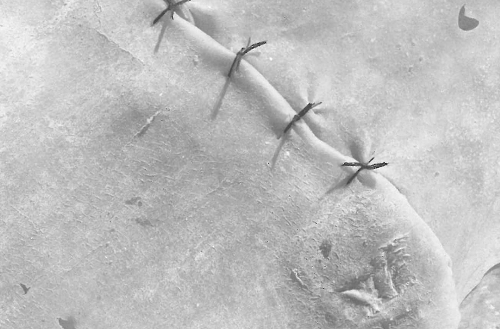
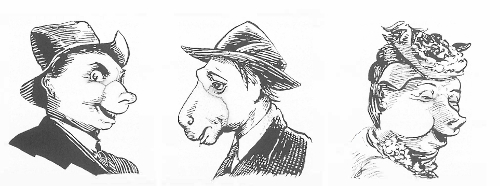
Feature by Juliette PeersThe work of Sharon Goodwin is directly influenced by the Cole's Funny Picture Books which create a bizarre Victorian world where human and animal promiscuously cross over. Here people are frequently turned into animals, and the qualities of animals emerge in humans through vices of personality. Goodwin's exhibition which was held at Uplands Gallery in Melbourne, Victoria in November 2001 presented a series of portraits of bestial humans or humanised animals repainted from Cole's woodcuts. Goodwin has introduced crude lines and stitching and patching in the images to represent the frequent actualisation of plastic surgery in contemporary society. —
Carnophilia
Feature by Kit WiseThis text is concerned with the notion of animal and human hybridity, as examined in a historical and contemporary context through the myth of King Minos of Crete and more recently the work of artists such as Damien Hirst and John Kelly. From the shadowy overlap between species that the minotaur depicts to such contemporary models of animal/ human formation as the fictitious Spiderman, such figures of the imagination remind us of the diminishing gap between science fact and science fiction. —
Improving Their Bodies, Improving Our Bodies
Feature by Anne QuainAnne Quain is a veterinary student living in Sydney and through this text explores the notion of animal/human relationships and the cloning of adult animals. This idea is discussed in the context of contemporary consumer society, and the question is raised: Might replacing a body become an economically more feasible alternative to treating an existing body? Would animals become disposable? Although she is here referring to a process having only been explored through fiction, she makes the point that it may not be far off.
—
On Humans and Other Animals 'Becoming' Each Other 
Feature by Ionat ZurrThe metaphor of 'becoming animal 'till there is no longer man or animal' is becoming real with the advances in genetic tissue technology and stem cell research. Artists dealing with hands-on wet biology art practice are exploring the tangibility of such an idea. Zurr looks at issues surrounding such new technology, at the experiment which saw an ear grafted onto a mouses back, constructed in vitro (outside of the body) and the possible future for the human and animal kingdoms. —
Polemic: The Undoing of Art History (Part II)
Feature by Donald BrookIn Part I (Artlink, December 2001) the subject called Art History was challenged, using the terms art and work of art in a conventional way. Here in Part II it is argued that some of the woes of art theory can be alleviated by understanding these terms in a different way. Brook discusses the role of cultural memes in creating different kinds of 'histories' and the doctrine of creativity. He here concludes that it is perfectly understandable that, as metaphysical explorers, we may address works of art with little or no respect for the author's intentions. In the end, he states, it depends upon the regularities of the real world. —
Sex in the Cyborg: Julie Rrap's Overstepping
Feature by George AlexanderThis article follows in the footsteps of Julie Rrap's Overstepping, the digital print that won the 2001 Hermann's Art Award, at a time when geneticists are close to patenting a hybrid body. This image is a snapshot merging of the developed and the evolved, it can trigger a complex mix of fear and desire at a time when flesh has become protean and everything else morphologically dubious. —
Similarities, Gen-et(h)ic Boundaries, and Respect for Otherness
Feature by Barbara NoskeThis article discusses a specific aspect of the human/ animal relationship and of communication in and between species. It points to a few specific experiments which have been conducted to try and bridge the gap between human and animal connectivity and relatedness. Furthermore it recognises the different ways animals and humans relate to and view the world around them, whether it be via visual, tactile, olfactory, auditory or other sensory devices. —
Sympathetic Magic: Skin and Canvas
Feature by Pat HoffieThe skin, the membrane, the corporeal envelope, the shroud, the veil - all those things that tend to separate and define appearances from either the being inside, or from the beingness outside - have provided a source of some of the most rich and persistent metaphors for Western culture. With the 20th century bringing a re-emergence of the idea of the skin as an organ rather than a boundary, notions and representations of the physical body dominated the work of last century and painting returned as an important medium for such depictions. This article looks at the metaphoric and literal relationship between skin and its various representations in contemporary art. —
The Extra Ear (or an ear on an arm)
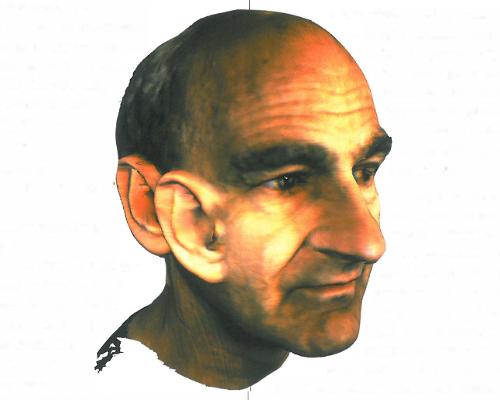
Feature by StelarcWhat characterises all of Stelarc's projects and performances is the notion of the prosthetic. The EXTRA EAR is a project Stelarc has been fostering since 1997 and the problems lie in finding the appropriate medical assistance to realise it. Constructing the EXTRA EAR would involve a number of procedures, over approximately 8-10 months. Techniques from Cosmetic, Re-constructive and Orthopaedic surgery are necessary. Here Stelarc outlines some of the essential steps in constructing the EXTRA EAR and discusses the nature of this radical project. —
The Surgical Fix: Physical Capital, Self-Improvement and the Body Beautiful
Feature by Victoria RyanHistorical studies have shown that an improved physical appearance had profoundly beneficial psychological effects and behavioural outcomes. Plastic surgery became a vital tool in the 1930's, holding out the promise of removing the traces of war and eliminating prominent markers of ethnicity. In recent years the cosmetic surgery industry has grown in Australia, and as with all countries the common goal is the production of a narrowly defined culture of bodily beauty. Ryan looks at the cosmetic surgery industry and some of the artistic responses to such ideas and ideals, particularly those of artist Annabelle Collett. —
The Theatrics of Cloning: The Recent Paintings of Juan Ford
Feature by Penny TrotterJuan Ford's recent exhibition Clone is a series of portraits of doppelgangers trapped within neo-realistic hallucinatory environments that are rich in attributes taken from technological culture. The juxtaposition of traditional painterly portraiture with objects taken from recent technologies uncovers the sense of mystery that these new technologies provide for us. Trotter looks at Ford's practice within the context of our post-modern society, discussing relevant issues of capitalist culture as 'narcissistic' and the breakdown of a consistent personal identity within it. —
The Work of Art in the Age of Biocybernetic Reproduction 
Feature by W.J.T. MitchellThe current revolutions in biology and computers, and their implications for ethics and politics, raise a host of new questions for which the arts, traditional humanistic disciplines and Enlightenment modes of rationality may seem ill-prepared. Mitchell questions the notion of the post-human age and the ways in which we approach death as more and more a problem to be solved by engineering and adjudicated by lawyers. Mitchell looks at films such as Jurassic Park, The Matrix and Blade Runner in order to explore some of these ideas and discourses. —
Uglielands: The Fremantle Festival 2001
Feature by Dorothy EricksonAt Fremantle Arts Centre, as part of the annual Fremantle Festival in 2001, selected artists addressed the notion of fascination by and in the freak, geek and grotesque in relation to carnivals and circuses. Artists included Susan Flavell, Emma Margetts, Clare McFarlane and Nein Schwarz. —
Willing Tenants: Ella Dreyfus and her Models
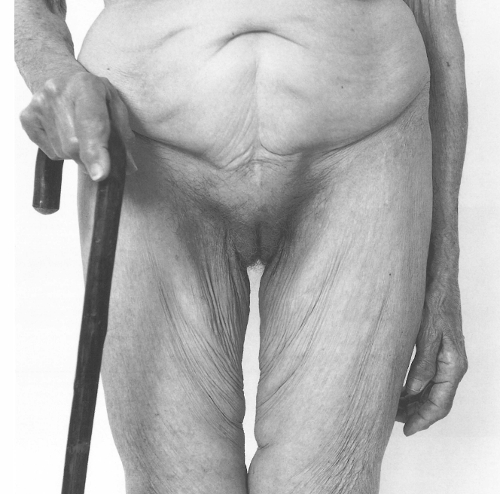
Feature by Jane GoodallThis article looks at the work of Ella Dreyfus. Her work, she says, is not just about how bodies may look, but 'about who we are and how people feel in their bodies'. Her models make powerful statements about this, through their images and occasionally, in verbal form. Her concern is with the present and actual state of the body, with all its complex and detailed evidence of the life cycle. Recently her focus has been on the aged body and the succession of new experiences that come as a result of living with a growing body. —
Hema Upadhyay, The Nymph and the Adult, Sung Kwon Park, (un)real, Eugene Carchesio, On Contemporary $ilence 
Review by Alison KublerInstitute of Modern Art, Brisbane
1 December - 26 January
—
In correct syntax, Greg Leong, Mammad Aidani and Matthew Ngui, 
Review by Paul DowntonNexus Multicultural Art Centre
Adelaide
6 September – 7 October 2001
—
Love and Death: Art in the Age of Queen Victoria 
Review by Vesna DrapacArt Gallery of South Australia, Adelaide
7 December 2001 - 3 February 2002 —
Morphologies 
Review by Rilka OakleyArtspace & Ivan Dougherty Gallery, Sydney
22 November – 15 December 2001
—
Neo Tokyo - Japanese Art Now 
Review by Kiersten FishburnMuseum of Contemporary Art, Sydney
10 November 2001 –10 February 2002
—
Petr Herel: Drawings, Prints and Artist's Books 
Review by Dorothy Ericksonholmes à court gallery, East Perth
11 October - 25 November 2001
—
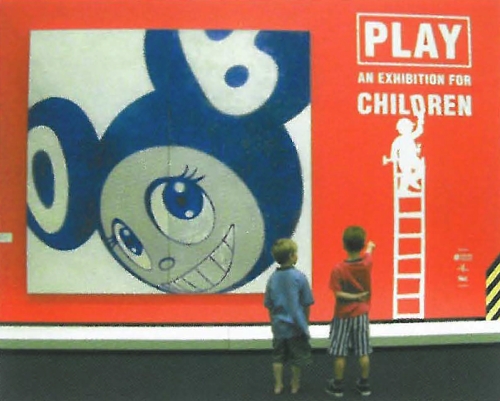
Play: An Exhibition for Children, Queensland Art Gallery 
Review by Robyn Daw8 November 2001 – 26 January 2002 —
Singapore Nokia Art 2001 
Review by Stephanie RadokSingapore Art Museum
9 December 2001 - 3 February 2002
—
The Bank West Inaugural Contemporary Art Prize, Perth Institute of Contemporary Art 
Review by David Dolan8 November 2001 - 26 January 2002 —
Touching from a Distance 
Review by Sean KellyKatrina Virgona, John Vella, Bree Riseborough, Julie Gough, Maria Ainsley, Ian Blamey, Linda Vujcich, Brigita Ozolins, Hadass Schlagman, Andy Jones, Donna Ettrick and Rachel Guy.
FOYeR Installation Space, Hobart
13 December - 12 January 2001
The Artists Foundation of Western Australia, Moore's Building, Perth
14 - 20 December 2001 —
Other articles & reviews
in this issue
- Vis.Arts.Online

Vis.arts.online by Belinda Daw - Artrave

Artrave by Edblog