Pattern & Complexity
Vol 32 no 1, 2012
Guest edited by Margot Osborne
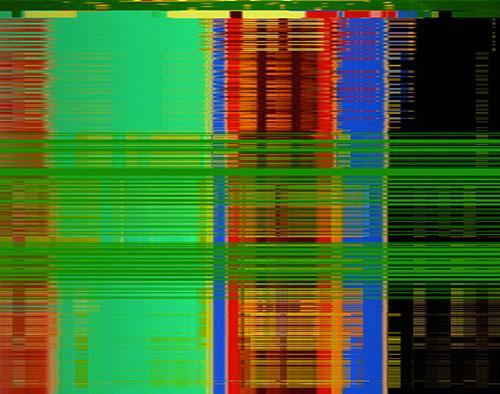
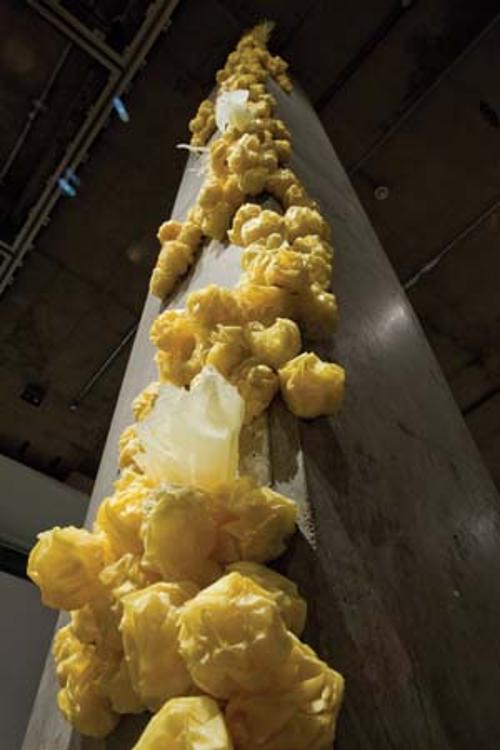
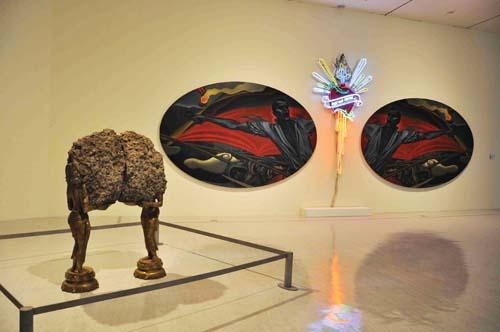
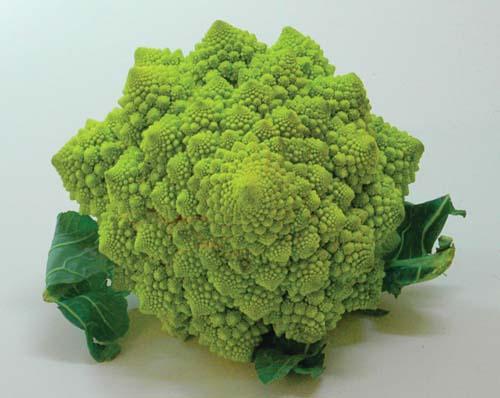
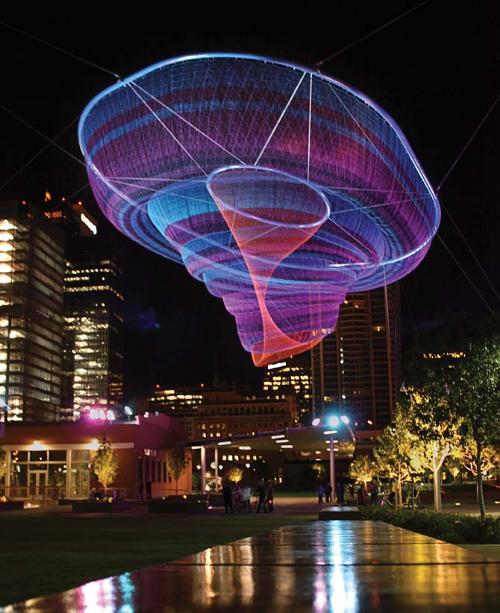
Pattern and complexity in art parallel the latest scientific thinking mathematics and biology and can be cultural metaphors for the tensions between order and chaos. The works discussed are part of a global resurgence in the use of highly complex forms created, often with advanced technology, as paintings, digital imagery, 3D art, interactive works and public art interventions. Some reflect fundamental building blocks of our reality in the form of fractals and complex systems, others use more intuitive approaches. Artists include Caroline Durre, Sam Songaillo, Mesne, Tracy Cornish, Paul Brown, Kerrie Poliness, Champagne Valentine, Gregor Kregar, Antony Gormley and Janet Echelman. Other sections include polemic by Alison Carroll on Australian art overseas and new work by Eko Nugroho.
- Artists and Authors
- Order this issue (from $12 inc. postage)
Subscribe to Artlink - from $55. Subscriptions available for readers anywhere in the world.
Mesne: Stitches in the Air: computational craft
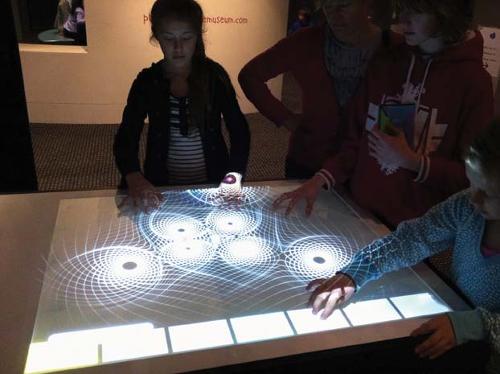
Fee Plumley, ProfileMedia artist, techno-evangelist and digital nomad Fee Plumley responds to Mesne Design Studio's lacemaking environment 'Pricking Version 2.0' which is their answer to the question "what happens if you apply computational processes to the historical notion of craft?".
I can give you a brief history of lace-making now, if you're interested?" A lesson in an ancient craft technique was not something one would typically expect from a Skype chat with an architectural and urban design studio. However in conversation with Tim Schork, founding practice partner of interdisciplinary studio MESNE and one of the collaborators behind Pricking Version 2.0, it was an entirely fitting thread (if you will excuse the pun).
Punto in aria, I learned, was something of a breakthrough in lace-making in 17th century Italy. Since this process did not require attachment to a fabric foundation it was literally a 'stitch in air’. This approach, where technique and design inform each other, turns out to be an extremely suitable starting point for their lace-making environment Pricking.
The title of the work comes from the term used to describe an initial sketch, what Tim describes as "the copyright of the lace design”. The tabletop format derives from the conversations that this everyday piece of furniture enables; think of the various discussions that take place over dinner table, meeting table or workshop table. The design itself is inspired by Louis Kahn’s “what does a brick want to become?” with their creative process adding “what does lace want to become?” and “what happens if you apply computational processes to the historical notion of craft?”.
Coming together for the first time, the team comprises Tim Schork and Paul Nicholas (MESNE Design Studio), plus Iain Maxwell (supermanoeuvre) and Indae Hwang. Typical of collaborative creative teams, their shared interests (in this case into computation as a lens, the nexus for interdisciplinary work) triggered this first collaboration as an arts group.
With no funding, but lots of combined enthusiasm and questions, they started exploring the kinds of behaviours different lace-making systems might have. Collectively writing code using an open source programming framework, they shared a collaborative database that allowed them to work simultaneously between Melbourne, Copenhagen and London. User testing took the form of inviting friends into the studio for drinks to observe their interactions/play with the systems. When one ‘tester’ sacrificed the beer in his hand in order to have both free to interact fully with the prototype, they knew they had a hit.
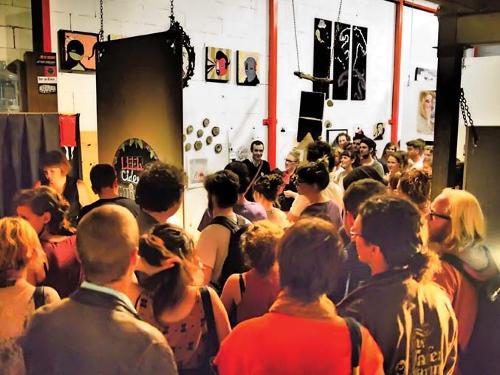
On the launch night of Sydney Powerhouse Museum’s fabulous Love Lace exhibition - the first time the work had been fully installed in a public, arts environment – the team stepped back to watch the community’s reactions with interest. Individual and collective tensions are typical to interaction arts audiences. Will people naturally know how to start a conversation with the system? Will one person encourage or discourage others to join in, starting a conversation with each other through the system? Of the six techniques in the first work (knotting, crochet, knitting, netting, cutting, stencil) ‘netting’ requires more participation than one person alone is capable of, provoking the challenge of audience collaboration. Since the system allows for completely fluid interaction, limitless designs for lace patterns can be created – and owned – by the audience. Add to that a GNU public licence code base, and you have an entirely open source artwork.
The first iteration of Pricking won the Digital Multimedia prize at Powerhouse. This second version, shown at Art, Pattern and Complexity in Adelaide’s RiAus, has been a good opportunity to refine the work thanks to such audience feedback. Tim has now found a way for the audience’s designs to be printed onto index cards, adding user-generated content to a constantly evolving display. There was even mention of some interest from a chocolatier... hmm... edible lace, anyone?
Fee Plumley is a media artist, technoevangelist and digital nomad originally from the UK, currently on a reallybigroadtrip. As a geek-in-residence, she was colonised by the Australia Council as their Digital Program Officer until 2011 and is now a permanent resident of Australia under the Distinguished Talent provision. http://www.reallybigroadtrip.com/
This text is published under a Creative Commons licence: Commercial, Non-Derivative, Share Alike.
Subscribe to the Artlink newsletter now
Articles in this issue
-
Artrave: Artrave

-
Editorial: Editorial

- ETW: Exhibitions to Watch
- Feature: A Meme is born
-
Feature: Caroline Durré: Reforming the earth

-
Feature: Fractal food

- Feature: Not just black and white
- Feature: Openwork patterns: Love Lace
- Feature: Patterns that Connect
- Feature: Prophecy, pattern, progeny
- Feature: The inchworm revisited
- Profile: Choreography of the elements: Janet Echelman
- Profile: Helen Fuller: Bless this mesh
- Profile: Mesne: Pattern In(formation)
-
Profile: Mesne: Stitches in the Air: computational craft

-
Profile: Shape of the wind: pattern & chaos in Sue Lovegrove's island art

- Profile: The future is now: Songailo's short-circuits
- Profile: The Poliness wall drawings: not quite right
-
Review: 2112: Imagining the Future

- Review: Andre Lipscombe: BOO!
- Review: Everyday the possible
- Review: In Action, Inaction: Dara Gill
-
Review: Medi(t)ation - 2011 Asian Art Biennial

-
Review: Pipilotti Rist I Packed the Postcard in my Suitcase

-
Review: Revealed: Emerging Aboriginal Artists from Western Australia

- Review: Sequences and Cycles: contemporary ceramics from the desert
- Review: Shadowbox: The Desert Paintings
- Review: The James C. Sourris A.M. Collection
- Review: Threads: Contemporary Textiles and the Social Fabric
-
Review: Tooth and Nail

- Topics: Australian art abroad: Doing it better
- Topics: Shadows of meaning in the Eko Chamber: Eko Nugroho
-
Topics: Socially engaged FIFO art? IASKA's Spaced