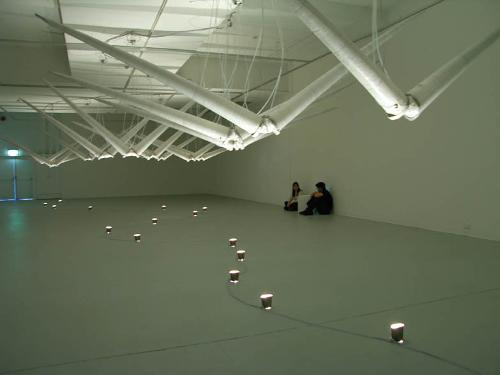
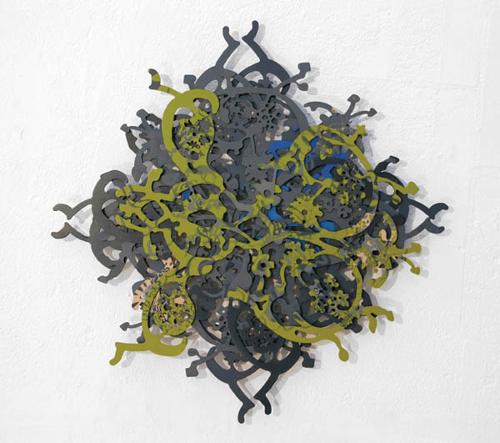
Diorama of the City: Between Site & Space 13 September - 13 October 2008 Tokyo Wonder Site Artists: Alex Gawronski, Gail Priest, Tim Silver, Hiraku Suzuki, exonemo, Paramodel
Outgoing Director of the Experimental Art Foundation Melentie Pandilovksi spills the beans on the current state of play internationally in terms of powerful independent curators moving into important positions in museums. He puts forward the prevalence of a 'new institutionalism' seeking to redefine contemporary art institutions from within. The EAF is about to release a Futures paper on this topic.
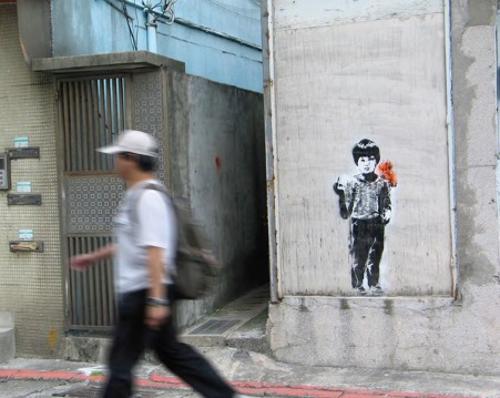
Prominent Australian curator Victoria Lynn interviewed Berlin and Taipei-based independent curator Manray Hsu about his notions of decentralised cosmopolitanism and Archipuncture (a sort of acupunture that artists do to cities)..
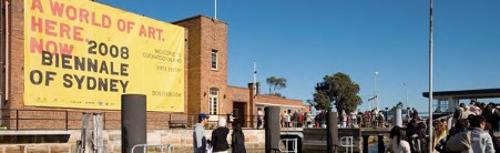
Marcus Westbury, former director of Noise, Next Wave, TINA (This Is Not Art) festivals, and writer and presenter of Not Quite Art on ABC TV, writes about the need for art to get away from reflecting too hard on gatekeepers and their requirements. He looks at the Biennale of Sydney at Cockatoo Island, the Next Wave's The Containers Village and the Melbourne Laneways projects as good examples of stepping outside the cube. He concludes that: 'Artists are best to invest their energy in finding their audiences and their communities.'
Hahndorf Academy Curator Melinda Rankin reflects on the recent work of legendary freelance curator Vivonne Thwaites who introduced Rankin to the deep levels of research, the surprises, the risks and the sheer hard work of being a curator.
Curator of the 2008 Adelaide Biennale Felicity Fenner discriminates between site-specific and site-responsive art practices in an analysis of the last two Singapore Biennales. She suggests that responding to the site may be the best way for a biennale to become more than an expo.
Joanna Mendelssohn, author and Associate Professor at the College of Fine Art, University of New South Wales where she co-ordinates the Master of Art Administration, writes about the highly competitive and financially unrewarding realities of getting a position as a curator in an art musuem.