The 'Improved' Body: animals & humans

The 'Improved' Body: animals & humans

Vol 22 no 1, 2002


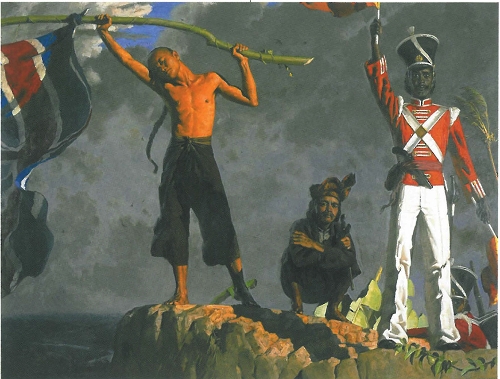
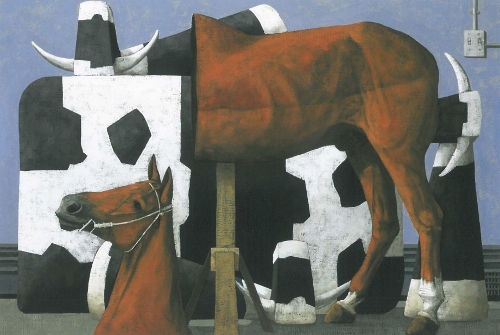
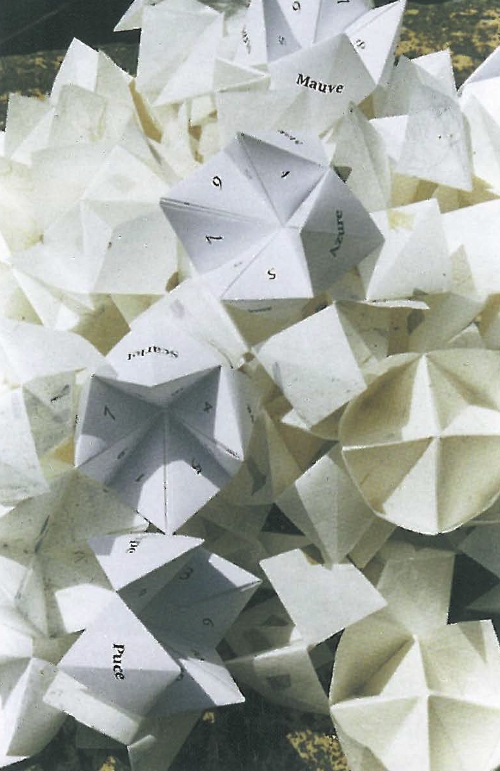
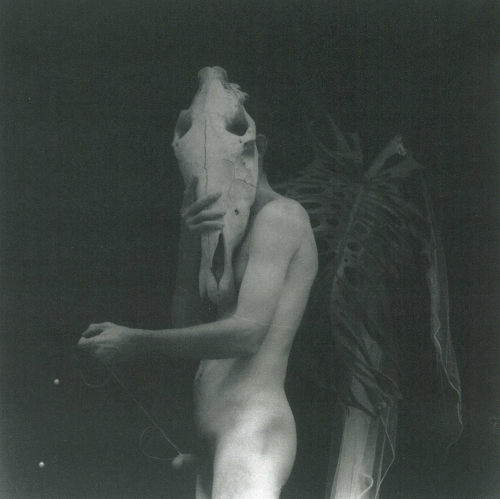
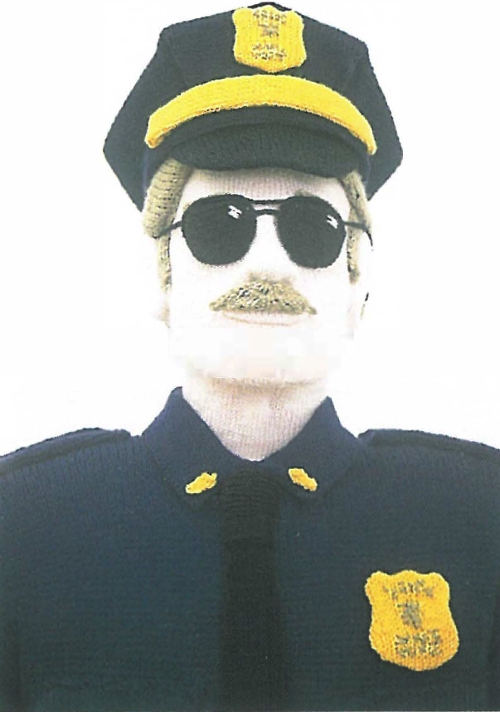
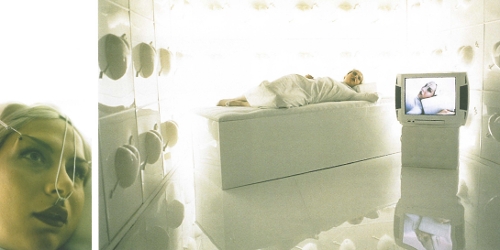
The implications of the new biotechnology for the human body and for the future of the species is visualised. Recent revelations that genetic makeup of animals is much closer to humans than was previously thought and possibilitues of trans-species hybridity is no longer just the stuff of myth or science fiction. Artists ask: how do we feel about becoming even closer to the animals we share the planet with? Current trends in surgery for transgender and cosmetic changes challenge notions of bodily identity. Writers include WJT Mitchell (Chicago) on Biocybernetics, George Alexander on Julie Rrap, Victoria Ryan on cosmetic surgery and art, Jane Goodall on Ella Dreyfus, Bronwyn Platten on bestiality, Anne Quain on transgenic pets.Also beautifully illustrated features on the works of Monika Tichacek, Sharon Goodwin, Michele Barker, Lynne Roberts-Goodwin, Juan Ford, Stelarc, Ionat Zurr and Oron Catts, Ray Cook, Helen Kundicevic, John Kelly, Jane Trengove, Stephen Holland and Tiffany Parbs.


Subscribe to Artlink - from $55. Subscriptions available for readers anywhere in the world.


NAVA - National Association for the Visual Arts


You are here » Artlink » Vol 22 no 1, 2002 » Animal Magnetism: Sharon Goodwin and the Eternal Romance of the Bestial

Animal Magnetism: Sharon Goodwin and the Eternal Romance of the Bestial

Author: Dr Juliette Peers, feature

The work of Sharon Goodwin is directly influenced by the Cole's Funny Picture Books which create a bizarre Victorian world where human and animal promiscuously cross over. Here people are frequently turned into animals, and the qualities of animals emerge in humans through vices of personality. Goodwin's exhibition which was held at Uplands Gallery in Melbourne, Victoria in November 2001 presented a series of portraits of bestial humans or humanised animals repainted from Cole's woodcuts. Goodwin has introduced crude lines and stitching and patching in the images to represent the frequent actualisation of plastic surgery in contemporary society.
The full text of this article is only available in the printed version of Artlink Magazine.
» Subscribe or order a back issue


Article Index

Articles in this issue